



Surprising fact: athletes who miss quality rest lose recovery capacity at a rate that rivals missing weeks of training.
Mark D. Stephenson, director of Tactical Research Development and Innovation at the Center for Sports Performance and Research, says rest is as vital as fuel for long careers.
The body uses nightly rest to rebuild muscle tissue, restore energy stores, and tune the brain for focus. Treating rest as a fixed part of a training plan helps athletes adapt faster and avoid setbacks.
In this guide, we explain how the brain and body work during rest, why timing matters, and how simple habits lift sports results and overall health.
Key Takeaways
- Quality rest is as crucial as nutrition for long-term success.
- Regular rest supports muscle repair and energy renewal.
- Athletes who prioritize rest recover faster between workouts.
- Small timing and habit changes boost sports results and health.
- This guide shows practical steps to make recovery reliable.
The Vital Link Between Sleep and Athletic Performance
Modern sports medicine now names rest as a pillar of athlete health. The International Olympic Committee highlights that proper nightly recovery supports both physical health and mental health for elite competitors.
When athletes miss adequate rest, measurable declines follow. Focus slips, energy wanes, and training gains erode faster than expected. Many professional groups now include rest habits in mental health best practices to protect well-being.
Consistent cycles help the body repair after intense exercise. That steadiness keeps results stable through long seasons and lowers risk of burnout or injury.
“Prioritizing rest allows the brain and body to function at their peak,” — current consensus in athletic research.
| Area | Benefit | Practical Step |
|---|---|---|
| Physical recovery | Improved tissue repair and energy renewal | Keep a consistent nightly schedule |
| Mental health | Better focus and mood regulation | Include rest checks in team wellness plans |
| Training yield | Stable gains and fewer setbacks | Prioritize recovery when planning time blocks |
For athletes seeking deeper strategies, read this guide on precision recovery and biohacking for peak results: Biohacking: Precision Coaching and Recovery.
Understanding the Science of Sleep Cycles
Each nocturnal cycle brings different brain waves that coordinate physical repair and memory work.
Brain Frequencies
The brain shifts through distinct frequency bands each night. These waves drive recovery and memory consolidation.
Slow waves appear in deep phases and aid tissue repair. Faster rhythms show up during REM and support skill learning.
Sleep Stages
There are four main stages. Each stage plays a unique role in clearing cellular waste, rebuilding muscle, and setting neural circuits.
- Moving through multiple cycles—often 6 to 7—is recommended for many athletes to get full restorative benefit.
- Adults usually need at least 7 hours to complete enough cycles to feel restored.
- Tracking stages gives actionable data for training and recovery timing.
“Protecting uninterrupted time lets the brain clear debris and consolidate memories,” — current sports medicine research.
Bottom line: Treat cycles as fixed recovery blocks. Use tracking and consistent schedules to improve health, reduce injury risk, and optimize sport results.
How Deep Sleep Facilitates Muscle Repair
During the deepest hours of the night, the body prioritizes tissue repair and protein synthesis.
Mark D. Stephenson notes that many athletes repair muscle best when roughly half of total time asleep is spent in deep stages.
Deep phases are the window for hormone release that drives growth and repair. Cells rebuild torn fibers, and the brain supports coordination of recovery processes.
“Spending at least 50% of sleep time in deep stages is ideal for muscle recovery,” — recent study findings.
Missing enough sleep reduces the body’s ability to fix damage from exercise. During heavy training blocks, athletes often need extra hours to let deep phases do their work.
- Deep stages enable protein synthesis and tissue repair.
- More deep time shortens recovery and readies the body for the next day.
- Sports medicine prioritizes deep rest when planning training cycles.
| Metric | Recommended Target | Why it matters |
|---|---|---|
| Deep stage share | ≥50% of total sleep | Maximizes tissue repair and protein synthesis |
| Total hours | Increase during heavy training | Allows more deep cycles and fuller recovery |
| Recovery outcome | Faster readiness | Improves consistency of athletic performance |
Cognitive Benefits and Mental Recovery
Cerebral spinal fluid sweeps across neural tissue during deep rest to remove daytime debris. This cleansing helps preserve quick thinking and steady reaction when seconds matter.
Clearing brain debris is a core restorative task. When the brain is free of metabolic waste, it processes information faster and makes better split-second choices.
Mental recovery matters as much as physical repair. Many athletes report clearer focus and more stable mood through the season when they prioritize restful cycles.
- The brain needs deep cycles to remove waste that would otherwise slow nerve signaling.
- Research links cognitive restoration to faster decision-making during high-pressure moments.
- Sports medicine emphasizes that a tired brain sends weaker signals to muscles, increasing the risk of slow reaction times.
“Protecting nightly cleaning processes preserves long-term cognitive health and keeps athletes sharp,”
Bottom line: Give the brain enough time each night for cleaning and recovery to support top-level results and lasting health.
The Impact of Sleep Deprivation on Physical Output
Insufficient nightly rest reduces output, quickens fatigue, and blunts reaction in crucial moments.

Reduced Accuracy
Accuracy falls sharply after missed hours of rest. For example, a study of tennis players found serve accuracy dropped up to 53% after sleep loss.
Collegiate research also links a lack of sleep to lapses in memory and reduced focus during drills.
Quicker Exhaustion
Without consistent hours the body tires sooner in training. Heart rate often rises and becomes less stable, forcing the body to work harder during exercise.
That means shorter sessions and lower overall output for athletes across sports.
Injury Risk
Reduced reaction times increase the chance of harm in fast-paced activity.
Studies show chronic lack is tied to higher injury rates in middle and high school players. Sports medicine warns long-term loss raises risks like hypertension and immune decline.
| Effect | Sign | Why it matters |
|---|---|---|
| Accuracy | ↓ up to 53% | Direct hit on game results |
| Endurance | Shorter sessions | Less quality training time |
| Injury | Higher rates in youth | Long-term health consequences |
Common Sleep Disorders Affecting Athletes
Nearly 39.1% of athletes report insufficient rest, and many face disorders that block recovery.
Insomnia is common in high-pressure programs and in students balancing school with training.
Contact sports raise risk for obstructive apnea because certain body types increase airway collapse. That condition cuts restorative time and can harm long-term health.
- Undiagnosed insomnia or breathing disorders often lower contest results by reducing alertness and stamina.
- Chronic lack may increase heart strain and other medical problems; sports medicine clinics screen for these issues.
- Early treatment restores regular recovery, helping the body repair and reducing injury risk.
“Screening with targeted questionnaires catches hidden disorders before they derail a career.”
| Disorder | Common Sign | Impact | Action |
|---|---|---|---|
| Insomnia | Difficulty falling or staying asleep | Reduced focus, slower drills | Cognitive therapy, sleep hygiene |
| Obstructive apnea | Loud snoring, gasps | Lower stamina, heart strain | Medical testing, CPAP or dental device |
| Circadian disruption | Irregular timing | Poor recovery on travel days | Schedule shifts, light therapy |
Takeaway: Use screening tools and early care so athletes get the consistent rest the body needs to stay healthy and competitive.
Why Elite Athletes Need More Rest
When training volume climbs, the body asks for more recovery time than standard adult guidelines provide.
Evidence shows extra nightly hours pay off. A Stanford study had men’s basketball players extend rest to 10 hours per night. They improved shooting accuracy and sprint times within weeks.
Elite athletes often push the body harder than most adults. That increases tissue breakdown, hormonal demand, and cognitive load. More night time helps rebuild tissue, refill energy stores, and restore focus.
- Many pros need more than 7–9 hours when training loads rise.
- Extra hours aid mental health; competition stress requires added cognitive recovery.
- Sports medicine now treats rest as a core part of training, like nutrition or practice.
“Prioritizing extended rest helps athletes handle physical strain and protect long-term health,”—sports medicine consensus.
Bottom line: Prioritize consistent nightly rest to sustain high-level results, reduce injury risk, and lengthen careers for athletes at the top of their sport.
The Role of Circadian Rhythms in Training
Our internal clock shapes when energy peaks and dips across the day, which affects training timing. Circadian rhythms respond to light and set the hours when the brain moves toward restorative cycles.
Chronotype Considerations
Knowing your chronotype helps you place hard workouts when the body is naturally ready. Morning types often hit higher intensity early, while evening types peak later in the day.
- Role: Rhythms regulate the body’s internal clock and point to ideal training windows.
- Practical tip: Match hard sessions to natural energy peaks to boost results and reduce injury risk.
- Health note: Consistent habits stabilize circadian timing and improve recovery quality.
Sports medicine teams recommend tracking daily energy and adjusting sessions when possible. When travel or schedules conflict with your clock, aim for gradual shifts and bright light exposure to re-align the brain’s timing.
Managing Jet Lag and Travel Demands
Long flights and late arrivals can scramble an athlete’s internal clock in just one trip.
Plan before you travel. Shift your bedtime toward the destination by an hour or two across several nights. This simple move helps the brain adapt faster on arrival.
Pack comforts for the plane: neck pillows, sleep masks, and layered clothing to rest a few solid hours. Avoid caffeine during flights so you can fall asleep at local times and protect recovery.
Get enough rest before departure to avoid starting with a sleep debt. Travel often breaks the sleep cycle, so keep routines as close to normal as possible.
- Adjust bedtime early to match the destination; it speeds adaptation.
- Skip caffeine and alcohol on flights to aid arrival rest.
- Create a comfortable in‑flight sleep environment to gain useful hours.
Sports medicine teams advise avoiding caffeine on planes and prioritizing rest before travel to protect health and contest readiness.
With planning, athletes reduce the impact of travel and arrive primed for competitions. Small steps before and during travel preserve focus and boost on‑field results.
Evaluating Your Sleep Quality with Wearable Technology
By logging heart-rate shifts and movement, wearables reveal hidden fatigue before form and skills decline.
Wearable technology allows athletes to monitor nightly quality. Devices record heart rate, respiratory patterns, and motion to show if you are getting enough sleep and recovery hours.
For adults, children, and athletes of every age these tools create a consistent record. Trends matter more than single nights.
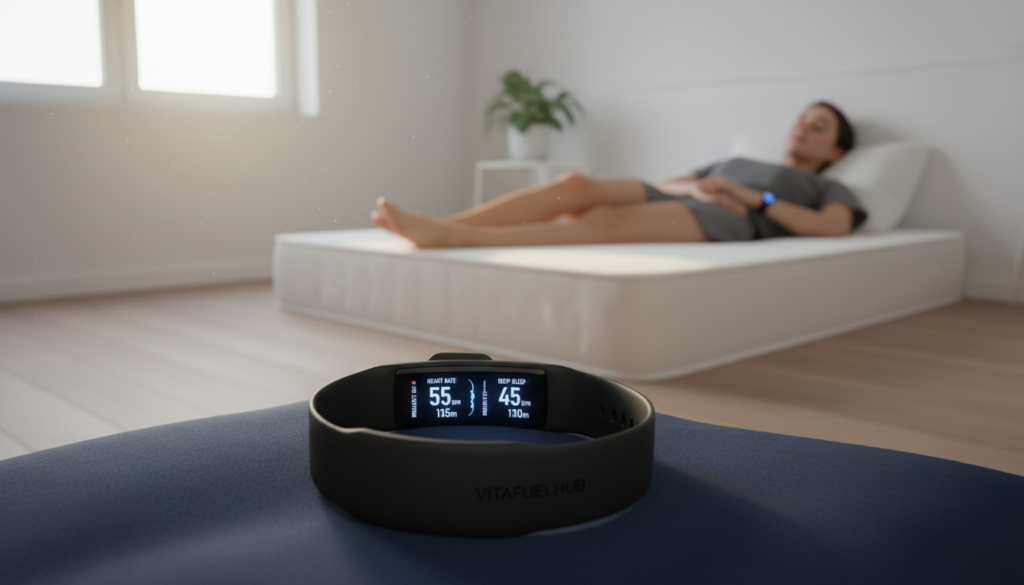
Research finds wearables are not as precise as a clinical study, but they excel at spotting downward trends. When data shows steady declines, consult sports medicine to rule out insomnia or breathing issues.
- Track heart-rate variability to spot fatigue early.
- Compare training load and nightly metrics to see how exercise affects recovery.
- Use weekly averages, not single nights, to guide changes.
“Consistent monitoring helps athletes adjust schedules before form drops,”
| Metric | What it shows | Action |
|---|---|---|
| Heart-rate trends | Rising resting rate signals stress | Reduce training load; consult medicine team |
| Movement index | Frequent awakenings reduce deep stages | Adjust timing, evaluate for insomnia |
| Weekly averages | Long-term recovery patterns | Plan extra rest or altered training |
Nutritional Habits That Influence Rest
Avoid large meals and caffeine close to bedtime. Heavy digestion raises body temperature and delays key restorative phases.
Many athletes find a light, healthy snack is better than a big meal in the evening. Choose protein with slow carbs to prevent hunger without overstimulation.
A recent study links correct meal timing to better sleep quality and improved next‑day performance. Sports medicine experts echo this: what you eat and when matters for recovery and long‑term health.
- Avoid caffeine within several hours of bedtime.
- Finish big meals at least two to three hours before bed.
- Opt for small, nutrient‑dense snacks if hungry late.
| Habit | Why it helps | Practical tip |
|---|---|---|
| Early dinner | Reduces digestion at night | Finish meals 2–3 hours before bed |
| Low‑caffeine window | Prevents stimulant effects | Skip caffeine after mid‑afternoon |
| Light snack | Prevents waking from hunger | Small yogurt or banana |
Tip: Build a consistent routine so your body learns the right times to digest and repair. For more on diet, timing, and recovery see relative vitality deficiency in sports.
Creating an Optimal Sleep Environment
A quiet, cool bedroom helps the nervous system shift from high alert to recovery mode. That simple change makes it easier for the brain and body to move into restorative cycles. Athletes benefit most when the room supports uninterrupted rest.
Temperature Control
Keep the room near 68 degrees Fahrenheit. A slightly cool space helps the body drop core temperature, which speeds falling asleep and deep stages.
During heavy training blocks, extra hours of rest matter. A steady thermostat reduces awakenings and improves healthy sleep.
Light Exposure
Limit bright screens before bedtime. Blue light tricks the brain into thinking it’s daytime and delays repair cycles.
Treat the bed as a cue for rest only. A dark, quiet room trains the brain to link the bed with recovery, which helps on travel days and before competitions.
| Factor | Action | Benefit |
|---|---|---|
| Temperature | Set ~68°F | Faster sleep onset, deeper stages |
| Light | Reduce screens 60–90 minutes before bedtime | Better circadian alignment, fewer awakenings |
| Familiarity | Pack pillow or mask when traveling | Consistent rest across time zones |
Tip: Sports medicine experts recommend treating the bedroom as a recovery tool—small environmental controls yield measurable gains for training and long‑term health.
Debunking the Energy Drink Myth
Quick stimulant fixes are popular, but they rarely solve real recovery needs.
Short bursts from energy drinks can lift alertness for a brief period. Many athletes reach for canned caffeine to mask a lack sleep before big sessions. That boost often ends in a crash that hurts game‑day performance.
Research shows the lift is temporary. A single study found gains fade within hours and leave the body less steady during drills.
Relying on these drinks can raise heart rate to uncomfortable levels. Repeated use also disrupts the brain’s ability to regulate energy and may hide symptoms of chronic rest loss.
“No energy drink replaces real recovery; they only postpone a problem.”
- Energy drinks mask tiredness but do not support muscle repair.
- They can increase heart rate and interrupt natural recovery time.
- Sports medicine experts advise building consistent hours of rest instead of frequent caffeine fixes.
| Claim | Reality | Action |
|---|---|---|
| Quick boost | Short-lived, often followed by crash | Use rarely; plan rest |
| Improves training | No replacement for deep sleep needed for repair | Prioritize nightly recovery |
| Masks fatigue | Can hide chronic lack and raise heart rate | Screen with medicine team if frequent |
When to Seek Professional Medical Advice
When regular rest habits fail, a clinical check can stop small problems from becoming career threats.
If you are consistently struggling to get enough sleep, talk with a sports medicine specialist. Chronic insomnia or a persistent lack of rest can harm mental health and reduce on‑field results.
If you feel sleepy during the day, or cannot fall asleep within 30 minutes of getting into bed, see a doctor. Adults and students in school should be especially vigilant since poor rest shows up as slower reaction times and memory lapses.
A professional can:
- Diagnose disorders such as obstructive apnea or chronic insomnia.
- Review your bed environment, routine, and caffeine timing.
- Offer evidence‑based plans to improve recovery hours and reduce risk.
“Early intervention protects long‑term health and keeps athletes ready to compete.”
| Sign | Why it matters | What a clinician can do |
|---|---|---|
| Frequent daytime sleepiness | Signals inadequate recovery and slower reaction | Screen for disorders; adjust routines and meds |
| Difficulty falling asleep >30 min | Suggests insomnia that harms mental health | Cognitive therapy, sleep scheduling, environment tweaks |
| Loud snoring or gasping | May indicate breathing issues that lower hours of deep rest | Sleep study, CPAP or dental device options |
| Declining training results | Chronic lack shortens readiness and harms health | Integrate recovery plan with sports medicine team |
Conclusion
Good nightly routines create the conditions the body needs to heal, refuel, and stay resilient over a season.
Prioritizing sleep delivers visible gains in stamina, focus, and long‑term health. Learn the science, build healthy sleep habits, and treat rest as a fixed part of training.
Don’t let insomnia or poor quality rest limit your goals. Seek professional advice when problems persist so recovery stays consistent and reliable.
Consistent rest is the foundation of lasting sports performance. Take control of your environment, follow proven habits, and protect your mental health to reach peak athletic performance.