

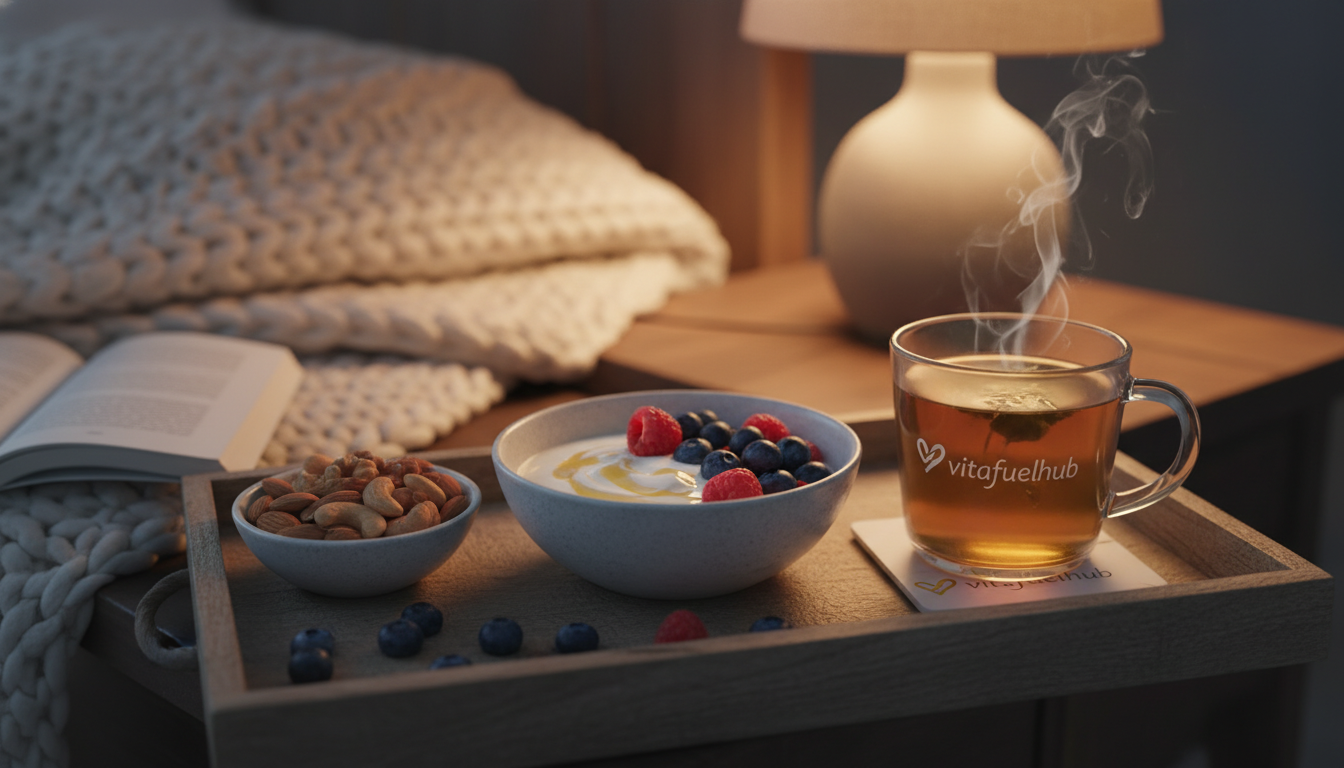

Surprising fact: studies show a small, nutrient-rich bite before bed can speed muscle repair and improve sleep by up to 20% in some athletes.
Choosing the right option matters more than portion size. A brief, low-calorie choice under 200 calories often supports muscle repair while you rest.
Many people notice better sleep and steady energy the next day when they pick whole foods instead of processed options. That helps maintain weight and overall health.
Keep easy, minimally processed choices near your bed to avoid late-night fast food runs. Understanding how the body handles food at night makes smart decisions simple.
Key Takeaways
- Small, nutrient-dense portions under 200 calories can aid muscle repair and sleep.
- Choose whole, minimally processed foods to support fitness and health.
- Smart evening choices help control weight and reduce late-night fast food trips.
- Timing and quality matter more than large portions at night.
- Keep convenient, healthy options near your bed to make better choices easy.
The Science Behind Bedtime Snacks for Recovery
Even modest food choices after dinner can alter sleep hormones and support muscle protein synthesis. This short science primer explains why small evening choices may help both rest and rebuilding.
The Role of Melatonin
Melatonin is a key hormone that regulates the sleep-wake cycle. Tart cherries are one natural source; they contain melatonin and procyanidin B-2, which helps protect tryptophan in the blood.
Tryptophan is an essential amino acid your body uses to make serotonin, a precursor to melatonin. That chain supports healthy sleep and can influence overall sleep quality.
Impact on Muscle Repair
Consuming a small amount of protein such as whey or casein before bed can raise overnight muscle synthesis and may help muscle repair. Keeping sugar steady and getting enough magnesium improves the body’s ability to enter deep, restorative sleep.
- This combined effect on hormones and nutrients gives the body the building blocks it needs to fix muscle tissue and support long-term health.
Why Nutrient Timing Matters for Fitness
Timing matters: consuming a low-calorie carbohydrate or protein snack about 30 minutes before sleep helped boost morning metabolism in a controlled study.
Many people find it hard to balance daily intake. Choosing the right foods at night helps manage weight and supports muscle rebuilding without extra calories.
Fiber-rich options slow digestion. They keep blood sugar steady through the night and cut late hunger that can derail goals.
- Small portions: give needed nutrients without excess calories.
- Balanced carbs: plus protein helps sustain morning energy.
- Food quality: higher-quality choices link to better overnight repair and sleep quality.
Best Bedtime Snacks for Muscle Growth
A targeted pre-sleep option can keep amino acids flowing through the night. Choose slow proteins and a mix of carbs and fats to support muscle repair while you rest.
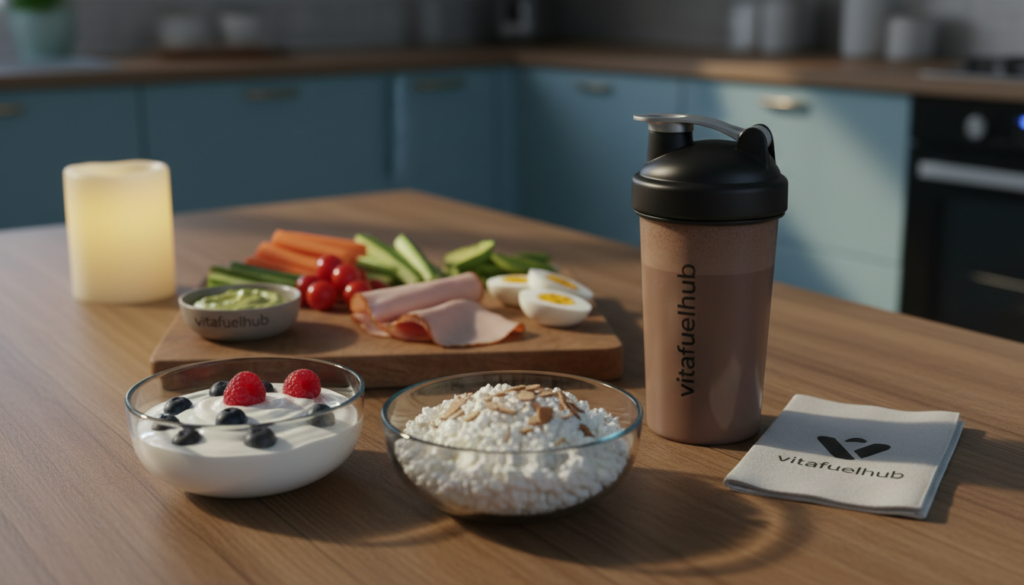
Cottage Cheese and Cherries
Cottage cheese is rich in casein, a slow-digesting protein that releases amino acids steadily. Adding cherries brings phytonutrients and a small dose of melatonin that may help improve sleep.
Protein Smoothies
A smoothie with 8 oz low-fat milk and pineapple is about 160 calories and gives quick protein and carbs. Mix yogurt or whey for extra protein without many calories.
Salmon Benefits
Salmon supplies high-quality protein and omega-3s. Those healthy fats reduce inflammation and support brain function as the body rests.
- Pair a banana with 1 tablespoon almond butter for magnesium and healthy fats.
- Choose options that balance protein and calories to fuel muscle growth overnight.
| Option | Protein (g) | Calories | Key Benefit |
|---|---|---|---|
| Cottage Cheese + Cherries | 20 | 150 | Slow casein release, melatonin source |
| Protein Smoothie (8 oz milk) | 15 | 160 | Low-calorie, quick nutrients |
| Smoked Salmon | 22 | 180 | Omega-3 anti-inflammatory fats |
Light Options for Weight Management
A light, protein-forward evening choice can help you stay full without adding excess calories.
Greek yogurt and berries make a simple, effective option. A 6-oz container of plain, nonfat Greek yogurt has about 104 calories. That serving gives a high-protein, low-calorie base that supports weight goals.
Mix in 1/2 cup of blueberries and add roughly 43 calories. The berries boost fiber and antioxidants while keeping the total under 200 calories.
Yogurt is also a strong source of calcium. For reference, 100 g of plain whole milk yogurt contains about 121 mg of calcium. Calcium-rich foods have been linked to better sleep and help regulate blood sugar through the night.
Tips to keep it light:
- Pick plain, nonfat yogurt to avoid added sugar.
- Use fresh berries for fiber and flavor without many calories.
- Portion control keeps this snack aligned with weight and health goals.
| Option | Serving | Calories | Key Benefit |
|---|---|---|---|
| Plain nonfat Greek yogurt | 6 oz | 104 | High protein, low calories |
| Blueberries | 1/2 cup | 43 | Fiber and antioxidants |
| Combined | 6 oz + 1/2 cup | ~147 | Fills hunger, protects sleep quality |
Foods That Naturally Improve Sleep Quality
Certain whole foods carry natural compounds that gently signal the brain it’s time to rest.
Tart cherries and their juice are a strong, natural source of melatonin and procyanidin B-2. That compound helps the body produce melatonin, which can help you fall asleep faster and improve sleep quality. A small glass of tart cherry juice or a handful of fresh cherries adds few calories yet may help night-time sleep.
The Power of Kiwis
Two kiwis equal about 84 calories and provide roughly 4 g of fiber. A 2023 study found elite athletes who ate two kiwis before bed experienced better sleep and fewer awakenings. Kiwis also contain serotonin, a compound that may help you fall asleep faster.
- These foods also contain magnesium and vitamins that help regulate sleep hormone levels.
- Adding a small portion of nuts like pistachios gives tryptophan, a precursor to serotonin and melatonin.
- Choose these options near your bed for a quick, nutrient-rich late bite that supports better sleep.
| Food | Serving | Calories | Key sleep benefit |
|---|---|---|---|
| Tart cherries / juice | 1/2 cup or 4 oz juice | ~80 | Melatonin and procyanidin B-2 to aid sleep onset |
| Kiwis | 2 medium | 84 | Serotonin and fiber; fewer awakenings |
| Pistachios | 1 oz (about 49 kernels) | ~160 | Contains tryptophan and magnesium to support sleep quality |
The Role of Protein and Amino Acids
Slow-digesting proteins give your body a steady stream of amino acids while you rest. That steady release helps maintain a positive amino balance and supports muscle repair overnight.
One large egg provides 72 calories and about 6 g of protein, plus roughly 84 mg of tryptophan. Tryptophan is an important amino acid your body uses to make serotonin, a precursor in the chain that supports healthy sleep and melatonin production.
Casein protein is a commonly recommended slow source. It digests slowly, reduces morning hunger, and supplies amino acids across several hours.
- Protein is essential for muscle repair and keeps amino acid levels steady overnight.
- Tryptophan from eggs or milk helps the body with serotonin and later melatonin production.
- Including a source like cheese or eggs in a small snack helps stabilize blood sugar and extends satiety until morning.
| Food | Protein (g) | Calories |
|---|---|---|
| Large egg | 6 | 72 |
| Casein serving (typical) | 20–25 | ~100–120 |
| Glass of milk (8 oz) | 8 | ~100 |
For more ideas that pair protein with balanced calories to support muscle goals, see a list of practical muscle-building meals.
Balancing Carbohydrates for Better Sleep
Complex carbohydrates timed with a protein source help the body produce calming hormones overnight. This approach keeps blood sugar levels steady and supports sleep quality.
Whole grain pairings are a simple way to add fiber and magnesium to your evening routine. A 3/4-cup serving of cooked oatmeal has about 124 calories and gives slow-release carbs that help you relax.
Pair carbs with a tryptophan source to boost serotonin and melatonin production. For example, crackers with cheese combine carbohydrates and tryptophan in one easy bite.
- Balance carbs with protein to improve blood sugar stability and sleep quality.
- Whole grains like oatmeal supply fiber and magnesium to help you unwind.
- Healthy fats in nuts plus complex carbohydrates keep you full until morning.
- Avoid excess sugar; focus on complex carbs to fall asleep faster and enjoy better rest.
For practical pairings and low-calorie ideas, see a quick list of options at healthy evening pairings.
Ingredients to Avoid Before Bed
What you eat late can have a stronger effect on your sleep than you expect. Small choices may help or harm overnight rest and muscle maintenance.
Caffeine and Alcohol
Avoid caffeine at least 4–6 hours before you go to bed. Even afternoon coffee, tea, or chocolate can make it harder to fall asleep and lower sleep quality.
Alcohol may help you fall asleep faster, but it shortens total sleep time and reduces deep sleep. That lowers the night’s repair and harms next-day mood and performance.
Spicy and Acidic Foods
Spicy, fatty, or very acidic foods can trigger acid reflux. An upset stomach or heartburn makes it much harder to settle into restorative sleep.
High-sodium diets link to poorer sleep quality and can raise nighttime thirst or unrest. High-sugar items cause blood sugar spikes and crashes that disrupt sleep cycles.
- Avoiding caffeine 4–6 hours before bed preserves the ability to fall asleep.
- Limit alcohol to protect deep sleep and overall sleep quality.
- Skip heavy, fatty meals close to bed; they delay digestion and disturb sleep.
- Keep high-sugar and high-salt foods out of late eating to steady blood sugar and support weight and health goals.
| Ingredient | Primary effect | Tip |
|---|---|---|
| Caffeine | Delays sleep onset, reduces quality | Stop 4–6 hours early |
| Alcohol | Shortens deep sleep | Limit evening intake |
| Spicy/Acidic foods | Causes reflux, discomfort | Choose milder options |
| High-sugar / High-salt | Blood sugar spikes; poor sleep quality | Opt for low-sugar, whole foods |
Preparing Your Snacks in Advance
Make it easy to eat well: batch-cook whole grains and store servings in the fridge so a warm, balanced option is ready for a few days.
Portion control helps a lot. Divide trail mix into small bags and label servings to keep calories steady. Prepping this way prevents impulse choices late in the night.
Keep hard-boiled eggs or pre-made protein smoothies chilled. They are a quick protein-rich source that supports muscle repair and steady blood sugar while you sleep.
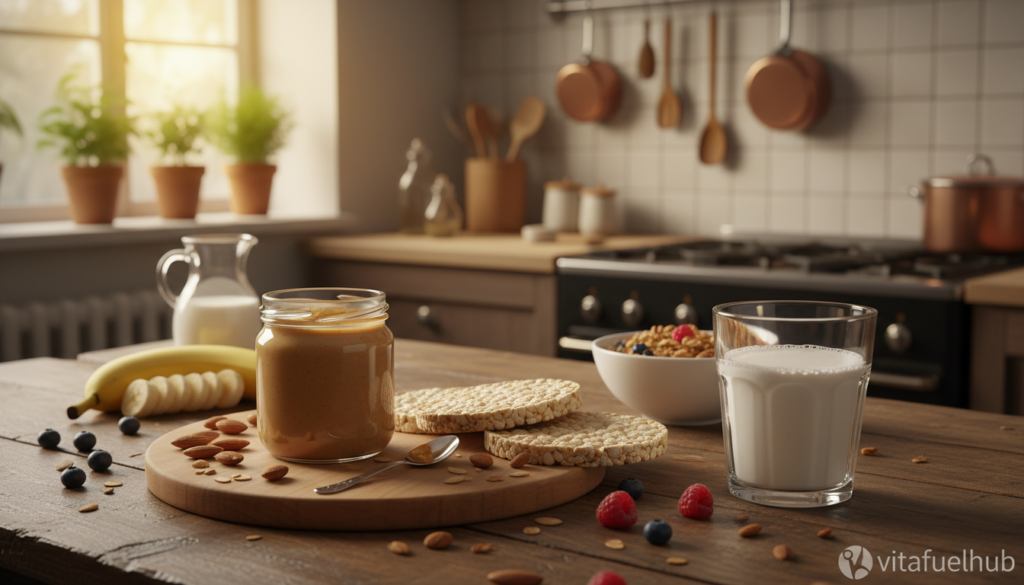
“A little planning tonight saves you calories and stress tomorrow.”
- Spread almond butter on whole grain toast for a healthy mix of protein and fats.
- Portion nuts and other mix-ins so a single serving is obvious and convenient.
- Focus on foods with tryptophan or melatonin source potential to support better sleep.
| Prep Item | Why it helps | Keep it at |
|---|---|---|
| Cooked whole grains | Slow carbs, magnesium | Fridge, 3–4 days |
| Hard-boiled eggs / smoothies | Reliable protein | Fridge, 2–3 days |
| Portioned trail mix | Healthy fats, controlled calories | Pantry or fridge |
Organizing simple, ready-to-grab options creates a supportive environment. That small routine makes it much easier to meet your nutrition and muscle goals every night while protecting sleep.
Customizing Your Nighttime Nutrition
Tailoring your evening menu helps you meet fitness goals while supporting a calm night’s sleep.
Start with a base you like: plain yogurt or a small glass of milk gives calcium and GABA, which can calm the mind and may help sleep. Add pumpkin seeds to oats or yogurt to supply magnesium and tryptophan, a natural source that supports melatonin production.
Many people find berries and nuts add antioxidants and healthy fats that aid muscle repair and overall health. Adjust the serving size to match daily activity so you get enough protein and calories without overshooting.
“Rotate simple combinations until you find what helps you fall asleep faster and wake feeling restored.”
- Mix textures: yogurt + seeds, or cheese + whole grain crackers.
- Watch sugar: keep portions small to steady blood sugar through the night.
- Rotate choices: change fruits, nuts, or milk to match shifting nutrition needs.
| Combination | Key benefit | Typical serving |
|---|---|---|
| Yogurt + pumpkin seeds | GABA, magnesium, tryptophan | 6 oz + 1 tbsp |
| Milk + whole grain cereal | Calcium, slow carbs, protein | 8 oz + 1/2 cup |
| Berries + a few nuts | Antioxidants and healthy fats | 1/2 cup + 1 oz |
Conclusion
A small, well-balanced night portion gives your body the building blocks it needs while you sleep.
Consuming the right low-calorie choice can support muscle repair and boost sleep quality. Prioritize lean protein and complex carbs to supply steady amino acids and slow energy.
Keep healthy options handy so a single quick snack aligns with your nutrition goals and avoids high-calorie impulses. Treat consistency as a strong, simple habit that helps muscle growth and better sleep.
Listen to your body and adjust portions and sources over time to match activity and goals. Small changes each night add up to meaningful gains in sleep and wellness.