



More than a third of adults in the United States report nightly interruptions: 35.5% wake in the middle of the night on three or more nights each week. That surprising number shows this is not an isolated issue.
Biology and stress often work together. Your body hits a natural melatonin peak around 3:00, which can shift your sleep cycle. Add daily stress and inconsistent bed routines, and those nighttime awakenings become more likely.
Dr. Abhinav Singh of the Indiana Sleep Center notes many patients share these symptoms. Most adults need 7 to 9 hours of sleep to function well during the day. If interruptions are persistent, they may point to an underlying health condition rather than just a rough night.
Key Takeaways
- 35.5% of people in the U.S. report frequent middle-of-the-night awakenings.
- A melatonin peak around 3:00 can disturb sleep cycles.
- Stress and poor bedtime habits make nighttime trouble worse.
- Adults generally need 7–9 hours for optimal daytime function.
- Persistent symptoms may signal an underlying health issue and deserve medical attention.
Understanding the Science of Sleep Cycles
Your brain cycles through distinct phases each night. These phases help explain why people often stir in the middle of the night and why some interruptions last longer than others.
Stages of a Sleep Cycle
Sleep moves through four stages: a short transition from wakefulness, light sleep, deep sleep, and REM sleep. Each cycle lasts about 90 minutes.
Early cycles include more deep sleep. Later cycles shift toward REM and lighter stages. That shift makes the final hours of the night more fragile.
The Shift Toward Light Sleep
Research from the National Center for Biotechnology Information shows environmental light can disrupt these lighter stages. Dim streetlight or a phone glow can lower sleep quality and prompt an awakening.
“As the night progresses, people spend more time in REM and light sleep, which increases sensitivity to external cues.”
| Stage | Typical Timing | Why It Matters |
|---|---|---|
| Transition | First few minutes | Easy to rouse; signals sleep onset |
| Light Sleep | Occurs across the night | Higher chance of brief awakenings |
| Deep Sleep | Earlier cycles | Restorative; harder to disturb |
| REM Sleep | More common later | Vivid dreams; lighter state |
To stay asleep longer, protect your bedroom from stray light and noise. Small changes to the bed area and timing can improve overall sleep quality and reduce early morning disruptions.
Why You Keep Waking Up at 3 AM
A sudden rise in heart rate, racing thoughts, or a stray noise can pull you from sleep in the middle of the night.
Insomnia is defined as trouble falling or staying asleep three or more nights a week for at least three months. Clinical studies show about 10% to 20% of people meet that threshold, so this is common but not inevitable.
When you wake middle night, stress often plays a major role. Anxiety can activate the sympathetic nervous system. That reaction raises heart rate and makes it hard to get back sleep.
“If nighttime awakenings become routine, they may point to an underlying sleep disorder or health condition.”
- Environmental factors — a pet on the bed or outside noise — can cause brief arousals.
- Transition times between sleep cycles make the middle night more fragile.
- If trouble staying asleep happens 3+ nights weekly, consider medical advice to protect long-term health.
Understanding the mix of stress, sleep quality, and conditions helps you target fixes. Small changes to light, routine, and stress management often restore better sleep and morning energy.
The Role of Stress and Anxiety
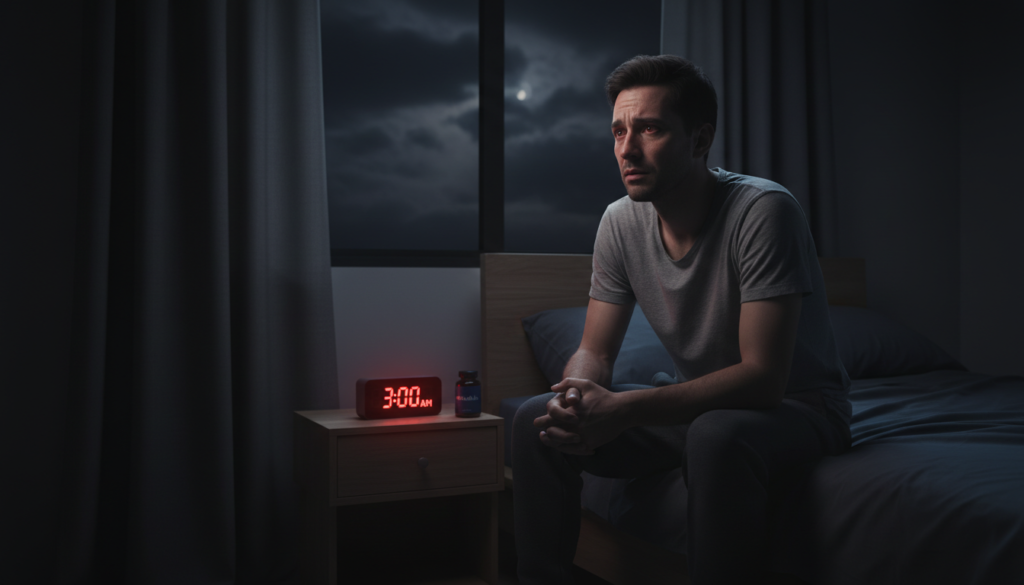
When stress levels rise, the body’s sleep system can become much more fragile. Short-term pressure or chronic worry can change how easily you fall and stay asleep.
The Impact of Sleep Reactivity
Sleep reactivity describes how likely someone is to have disrupted rest during stressful times. This trait is more common in certain people and can run in families.
Research shows that people with post-traumatic stress disorder often face frequent nighttime awakenings. Depression can also shift circadian rhythms, making the middle of the night feel alerting instead of restful.
- Under stress, the heart and blood pressure rise and breathing may become shallow.
- Anxiety about money, relationships, or health can produce physical symptoms that pull you from bed.
- Addressing the root causes—therapy, stress reduction, or medical care—can restore better sleep quality and daytime health.
“Managing anxiety through therapy and lifestyle adjustments reduces disruptive nighttime awakenings.”
How Aging Impacts Your Sleep Patterns
With age, the balance of sleep stages tilts toward lighter rest and more frequent awakenings. The body spends less time in deep sleep, so small noises or brief light can pull someone from bed more easily.
Study data show about 40% of older adults experience insomnia, a sharp rise compared to younger groups. Changes in circadian timing also make many people go to bed and wake earlier.
Anxiety and chronic health conditions can add night symptoms and reduce daytime energy. Because lighter sleep dominates, environmental factors matter more for sleep quality.
- Aging reduces deep sleep and increases lighter stages.
- Environmental noise or light can cause frequent awakenings.
- Cognitive behavioral therapy and light therapy may improve sleep quality and help regulate the internal body clock.
“Understanding age-related changes lets you take practical steps to protect rest and health.”
Talk with your doctor about tailored strategies. To learn how to prioritize high-quality sleep, visit prioritize high-quality sleep for practical tips and next steps.
Environmental Factors Disrupting Your Rest
Small disruptions in your bedroom can turn a normal night into a fragmented one.
Noise is a leading cause of nighttime awakenings for many people. Traffic, door slams, or a phone alert can startle the body and cut short a deep sleep cycle.
Managing Bedroom Noise
Reduce sound by moving electronics away from the bed and silencing notifications before bedtime. White noise machines or a fan mask sudden sounds and help the mind stay settled.
If outside noise persists, try comfortable earplugs. They are a low-cost way to protect your rest and improve long-term health by lowering fragmented sleep.
Controlling Light Exposure
Even dim light can suppress melatonin and make it harder to stay asleep through the middle of the night. Blackout curtains and a sleep mask block stray light and cue the body that it is time for rest.
Consistency matters: keep the bedroom dark and quiet each night to reduce awakenings and support better sleep quality over time.
- Keep phones out of arm’s reach to limit nighttime alerts.
- Use earplugs or a sleep mask when you cannot fully control your environment.
“Create a calm, dark, and quiet bedroom to minimize environmental factors that disrupt rest.”
Underlying Health Conditions to Consider
Many medical conditions quietly interrupt sleep and can explain persistent nighttime awakenings.
Sleep Apnea and Breathing Issues
Sleep apnea causes repeated pauses in breathing that often produce loud gasps or sudden arousals. This disorder raises heart strain and daytime fatigue for many people.
If you suspect sleep apnea, consult a healthcare professional for testing and treatment. Effective therapies include CPAP, oral devices, and lifestyle changes.
Gastrointestinal Concerns
GERD or reflux can cause heartburn and indigestion that break a night of rest. Lying flat makes symptoms worse and prompts frequent awakenings.
Simple steps—avoiding late alcohol or heavy meals—can reduce symptoms. A doctor can test and suggest medication if reflux persists.
Hormonal Changes and Menopause
Menopausal changes often bring hot flashes and night sweats. These symptoms interrupt sleep and raise stress on the body.
Hormone therapy or targeted symptom care can restore better sleep quality for many women. Other conditions like depression or heart disease may also affect rest.
“Identifying a specific disorder is the first step to stopping the cycle of disrupted nights.”
- Nocturia (nighttime urination) can signal diabetes or other issues.
- If you have persistent symptoms, seek medical evaluation to rule out serious conditions.
- Addressing underlying health problems is essential to improve long-term sleep and daytime function.
For a simple action plan you can start today, see this short guide: cease struggling—make change that lasts.
Medications That May Interfere with Sleep
Medications can quietly shift sleep patterns and make the night more fragile than you expect.
Many common prescriptions affect how the body regulates rest. Antidepressants and beta-blockers are known to change REM and light sleep, increasing the chance of nighttime awakenings.
Corticosteroids, diuretics, and some over-the-counter cold remedies also disturb sleep. Antihistamines may help with allergies but can later cause fragmented sleeping and brief awakenings.
If you notice more trouble during the middle night, review your medicines with a clinician. Often a timing change, dose adjustment, or alternative drug reduces disruption without harming your overall health.
- Many antidepressants and beta-blockers can alter sleep patterns and cause nighttime awakenings.
- Corticosteroids, diuretics, and cold medicines may make it hard to stay asleep through the night.
- Never stop a prescribed medication without talking to your doctor; they can suggest safer options.
“Discuss medication side effects with your provider to protect sleep and overall well-being.”
Simple lifestyle tweaks—like taking meds earlier in the day or adjusting caffeine—can help. Identifying drug-related causes is a practical step toward better rest and improved daytime energy.
Lifestyle Habits That Affect Sleep Quality
Even small evening habits can change whether you fall asleep fast and stay rested through the night.
Caffeine and alcohol are two of the biggest disruptors. Caffeine late in the day keeps the mind alert and makes it harder to fall asleep. Alcohol may help you nod off but often causes waking middle of the night and lighter sleep later.
The Effects of Caffeine and Alcohol
Timing matters. Try to avoid caffeinated drinks after lunchtime and limit alcohol in the evening. Both choices affect sleep cycles and increase the chance of nighttime interruptions.
- Drinking caffeine or alcohol before bedtime can lower sleep quality and trigger awakenings.
- Large or spicy meals close to bed can cause indigestion and make it hard to fall asleep and stay asleep.
- Regular daytime exercise helps you sleep better, but intense workouts right before bed can be stimulating.
- Establish a calm nighttime routine—reading or meditating—to cue your body for rest.
“Small lifestyle changes often lead to big gains in sleep quality.”
If you frequently wake middle, review late naps, evening drinks, and meal timing. Adjusting these habits can reduce stress on the body and greatly improve sleep quality over time.
Practical Strategies to Stay Asleep
Simple changes to your evening routine often make the difference between a full night of rest and frequent disturbances.
Stick to a consistent bedtime and wake schedule every day. A steady schedule helps your internal clock and will often reduce chances that you will wake middle night.
If you cannot fall asleep after 20 minutes, get out of bed and do a calm activity. Reading, light stretching, or gentle yoga can help you back sleep without adding stress.

Breathing exercises and short relaxation practices lower heart rate and ease your mind. Avoid alcohol and caffeine in the hours before bedtime to protect sleep quality.
- Keep the bedroom dark and quiet to improve sleep quality.
- Establish a calming routine—warm drink, light reading, or stretching—to cue rest.
- Limit naps and stick to your daily schedule to help fall asleep faster at night.
- Remember: sleeping medications are rarely the magic pill; focus on lifestyle changes first.
“Small, consistent habits are the most reliable way to stay asleep and feel restored.”
| Action | Why it helps | When to use |
|---|---|---|
| Consistent sleep schedule | Regulates circadian rhythm | Daily |
| Get out of bed after 20 min | Reduces stress about not sleeping | During awakenings |
| Calming routine & breathing | Promotes relaxation and back sleep | Before and during middle night |
When to Consult a Healthcare Professional
When repeated nighttime awakenings drain your mornings and your memory, medical advice can help pinpoint the cause.
If you frequently wake at 3 am and have trouble getting back sleep, see a healthcare professional. Persistent interruptions may signal a sleep disorder such as insomnia or sleep apnea.
A doctor may recommend a sleep study to monitor breathing, heart rate, and movement across the night. This testing helps identify breathing problems and other conditions that fragment rest.
Pay attention to daytime signs: feeling very sleepy, trouble remembering things, or reduced function at work are red flags that sleep quality is poor. These symptoms can stem from stress, anxiety, depression, or medical changes.
“Do not ignore nighttime awakenings if they impair your day or health.”
- Your healthcare provider can assess risk, rule out disorders, and suggest a treatment plan.
- Treatment often includes cognitive behavioral therapy, lifestyle changes, or targeted medical care.
- Older adults should seek care sooner to lower fall risk and other complications.
Seek help when symptoms persist over weeks or affect daily life. Early evaluation gives you the best chance to restore steady rest and protect long-term health.
Conclusion
Nighttime interruptions are common, and understanding their triggers helps you take control of your rest. Stress, bedroom factors, and medical conditions all play a role.
Occasional brief awakenings are normal. But if sleep disruption is frequent, consider lifestyle changes and a review with a healthcare professional.
Improve your chance of sleeping through the night by optimizing your sleep environment and keeping a consistent routine. Small, steady steps often yield big gains.
Remember that sleep needs change over time. With the right strategies and support, you can reduce interruptions and recover the restorative rest your body needs.