



Surprising fact: a 10–20 minute short rest can sharpen your mind and restore energy faster than a cup of coffee, without grogginess.
Why this matters: Understanding how naps and recovery work is key for anyone who wants steady performance during a busy day.
Many professionals and athletes now access the benefits of a brief nap to boost alertness and fight fatigue. Research gives clear information on how a short rest resets both mind and body.
Follow simple tips to use a timed nap without harming nighttime sleep. A well-timed pause acts as a powerful boost to focus, energy, and overall health during high-intensity activity.
Key Takeaways
- A 10–20 minute nap gives quick mental clarity with little grogginess.
- Brief rest improves alertness and daily performance.
- Use timing tips to protect nighttime sleep and long-term health.
- Short pauses help manage fatigue better than caffeine in some cases.
- Apply evidence-based information to build a smart daytime routine.
The Science Behind Naps and Recovery
A closer look at sleep cycles reveals why a timed pause can boost performance without grogginess.
Understanding Sleep Stages
During sleep the brain cycles through light sleep, deep sleep, and REM phases. Each stage plays a different role for mental clarity and physical health.
Short rests of about 10 to 20 minutes stay mostly in light sleep. That brief time clears the mind and reduces fatigue without causing sleep inertia.
The Role of Deep Sleep
Longer naps of 60 to 90 minutes let the body reach deep sleep. This stage supports muscle repair and memory consolidation, which helps long-term performance.
- Light stages boost alertness quickly.
- Deep sleep enables muscle recovery and physical rejuvenation.
- REM aids emotional processing and learning.
Research shows timing rest to natural light cycles helps you access benefits without disturbing nighttime sleep.
Cognitive Advantages of Daytime Rest
Short daytime rests can sharpen memory, boost creativity, and speed problem solving for students and busy workers.
When the mind gets a brief pause, it reduces mental fatigue and restores alertness quickly. Short sleep segments help the brain sort new information and stabilize mood by balancing neurotransmitters like serotonin.
Regular napping practice helps you access these benefits more reliably. With consistent timing, many people report steadier focus, higher energy, and better task performance later in the day.

“A brief rest can clear the mind and improve problem solving within minutes.”
- Memory: better consolidation after short rest.
- Focus: faster recovery from mid-day fatigue.
- Performance: improved accuracy and creativity.
| Type | Cognitive effect | Practical tip |
|---|---|---|
| 10–20 minute nap | Quick alertness, clearer mind | Limit to 20 minutes, set alarm |
| 60–90 minute nap | Deep consolidation, mood benefits | Use when time allows, avoid late day |
| No nap | Slower recall, higher fatigue | Short breaks + hydration to help |
How Napping Supports Muscle Repair
A planned sleep break can lower fatigue and fast-track the muscle healing process.
Short rests help athletes and active adults regain strength faster. During deeper sleep, the body releases growth hormone. That hormone is critical for muscle repair after intense exercises.
Growth Hormone and Physical Performance
Knowles et al found that sleep restriction in trained females reduced concentric velocity and raised perceived exertion. This shows how poor sleep harms physical performance.
The Mesas et al meta-analysis confirms that planned daytime sleep can cut fatigue and improve performance in athletes and active adults. Consistent rest helps the body repair tissue and adapt to training.
“During deep sleep, the body releases growth hormone, which is essential for muscle repair and physical performance.”
- Research insight: sleep loss impairs strength and raises effort.
- Hormone role: growth hormone peaks in deep sleep to aid repair.
- Practical tip: schedule a nap that allows deeper stages when possible.
| Benefit | Effect on muscle | How to apply |
|---|---|---|
| Deep sleep entry | Increases growth hormone for tissue repair | Allow 60–90 minutes when post-workout recovery is needed |
| Short midday sleep | Reduces fatigue, boosts next-session performance | Use 20–30 minutes when time is limited |
| Consistent routine | Improves long-term muscle recovery and training gains | Prioritize sleep timing around intense activity |
For more guidance on designing rest around training, see this muscle-restoration guide. Prioritizing sleep and planned naps helps your body repair, so your next workout feels stronger.
Cardiovascular and Immune System Benefits
Brief rest during the day can ease stress hormones and support the body’s defenses.
Regular short sleep has been tied to lower blood pressure and a smaller stress response. Lowering daily stress helps protect the heart over time.
The stress hormone cortisol rises with poor night sleep and weakens immune function. A planned nap can reduce cortisol, helping the immune system fend off illness and preserve energy for healing.
- Studies link regular napping to better cardiovascular markers and less strain on the heart.
- A brief nap counters high cortisol, which otherwise suppresses immune defenses.
- Keeping this habit steady lets the body focus on internal repair and long-term health.
“Prioritizing short daytime sleep is a simple way to boost long-term health and resilience.”
| Effect | How it helps | Practical tip |
|---|---|---|
| Blood pressure | Reduces daily peaks that stress the cardiovascular system | Schedule a short nap after midday activity |
| Cortisol control | Lowers stress hormone spikes that suppress immunity | Keep naps brief and consistent to avoid nighttime disruption |
| Immune support | Allows the body to repair and maintain defenses | Use regular short sleep to access health gains |
Mastering the Timing of Your Nap
Timing matters. A short daytime pause that falls at the right hour gives a clear alertness boost without harming night sleep. Pick a moment that matches your natural energy dip.
The Afternoon Energy Dip
The best time to rest is early afternoon. Most people hit a low between 1 PM and 3 PM. This window aligns with circadian rhythms and offers the biggest benefit for mood and focus.
Avoiding Nighttime Sleep Disruption
To protect nighttime sleep, avoid late day naps. Waking up with enough time before bed helps you fall asleep faster at night.
Tip: Keep your pause earlier in the day and limit length to prevent feeling wired when it’s time for night sleep.
Ideal Duration for Performance
Research by Mesas et al suggests 30 to 60 minutes often maximizes physical performance gains. That span can let the body get restorative stages useful for muscle recovery.
Athletes should wake at least one hour before intense physical activity or exercises to steady alertness and avoid sluggishness.
“Master timing and short duration to get the benefits without hurting night sleep.”
- Best time: 1 PM–3 PM for most people.
- Ideal length: 30–60 minutes for performance effects.
- Before activity: Wake at least one hour prior to intense exercise.
Creating the Ideal Environment for Rest
A small, well-tuned space can help you fall asleep faster and reach deeper stages that aid muscle healing.
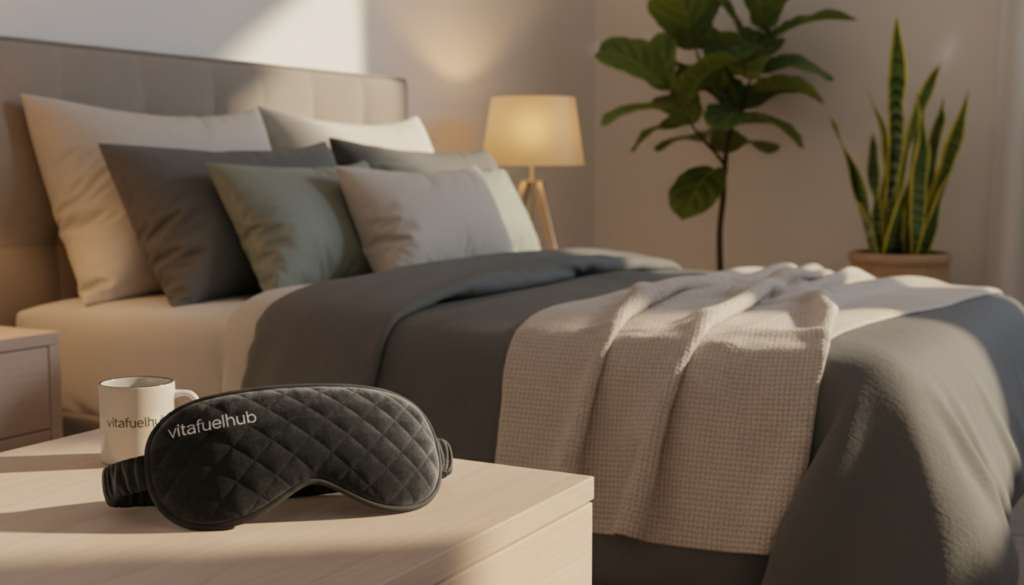
Start simple. Choose a quiet, comfortable spot. Dim the light and remove screens to signal the body it is time to rest.
Use an eye mask to block stray light. Earplugs cut noise. These small tools improve sleep onset and help you access deep sleep stages more reliably.
Comfort matters. A supportive chair or a familiar bed helps the body relax. Better comfort raises the chance of reaching restorative stages useful for muscle repair.
- Dark, quiet room maximizes usable rest time.
- Set an alarm to avoid oversleeping and protect night sleep.
- Keep the space cool; lower temps aid deep sleep.
“Even a short period in a well-prepared space can change how focused you feel for the rest of the day.”
| Element | Why it helps | Practical tip |
|---|---|---|
| Darkness | Signals melatonin release for faster sleep | Use blackout curtains or an eye mask |
| Quiet | Reduces awakenings that break stages | Try earplugs or a white-noise app |
| Comfort | Supports physical relaxation for muscle gains | Pick a cushioned surface and a light blanket |
For more on how to prioritize high-quality sleep, see prioritize high-quality sleep.
Distinguishing Between Fatigue and Laziness
Telling real tiredness from simple low motivation helps you choose whether to rest or move.
Fatigue shows as heavy limbs, slow thinking, or low alertness after hard physical activity or a poor night of sleep. It often follows long work, exercise, or interrupted sleep.
Laziness looks different. You feel unmotivated but not drained. The mind can engage with a small push. That difference matters.
Quick checks to decide:
- Try five minutes of light physical activity, like a walk. If you perk up, you likely need movement not rest.
- If you still feel wiped and your muscles ache, a short nap may help muscle repair and restore focus.
- Note timing: avoid late day pauses that make it hard to fall asleep at night.
“Listen to your body; using rest as a tool keeps day performance high and protects night sleep.”
| Sign | Likely cause | Action |
|---|---|---|
| Heavy limbs, slow thinking | Fatigue | Short nap or light sleep-focused rest; postpone intense activity |
| Lack of motivation but quick perk | Laziness | Move with brief physical activity to boost alertness |
| Muscle soreness after training | Physical strain | Plan targeted rest for muscle support and sleep hygiene |
Conclusion
Short daytime rest can be a decisive tool to keep energy high and performance steady all day.
Use the research and simple tips in this article to manage fatigue and support muscle recovery. The role of timed pauses is clear: they aid alertness, mood, and physical repair without harming night sleep.
Apply practical information on when to rest and for how long. Small, consistent habits deliver lasting benefits for health, cardiovascular function, and long-term recovery.
Make time for these practices. Every moment of focused rest counts toward better energy, improved performance, and stronger overall well-being.