



Surprising fact: studies show athletes can lose up to 60% of peak force in a single day after extreme training, making timely nutrition a game changer.
In this guide, we list 14 foods and supplements you can add to your diet to help heal faster and get back to training with less pain.
Good muscle support starts with the right protein and nutrient mix. Your body needs specific building blocks to repair tissue after pushing performance limits.
A focused plan blends whole foods and targeted supplements to give muscles what they need without guesswork. This article breaks down evidence-based options and how they fit into daily meals.
Key Takeaways
- Nutrition supplies the raw materials your muscles need to rebuild.
- Protein timing and quality matter for faster healing.
- A mix of foods and supplements can bridge dietary gaps.
- Each compound works differently; choose based on goals and injury type.
- We cover 14 evidence-backed options to support long-term performance.
Understanding Exercise Induced Muscle Damage
After intense activity, your body follows a predictable pattern that affects how soon you feel back to normal. Knowing this sequence helps set realistic expectations about pain and recovery.
The Biphasic Response
Phase one is immediate. High mechanical loading and metabolic stress cause tiny tears in contractile and connective tissue. This primary phase is the initial source of muscle damage.
Phase two is a slower inflammatory cascade. Immune cells clear debris and signal repair, but that process also produces pain and stiffness.
Delayed Onset Muscle Soreness
DOMS usually peaks 2–3 days after exercise. When you try unaccustomed movements, microdamage to fibers causes soreness that can last up to a week.
Elevated levels of metabolic byproducts and reactive species add to the discomfort. Research clarifies that lactic acid is not the cause of long-term soreness.
| Phase | Timing | Main drivers | Typical effects |
|---|---|---|---|
| Primary | Immediate | Mechanical load, metabolic stress | Microtears, reduced force |
| Secondary | 48–72 hours | Inflammation, immune activity | Peak soreness, stiffness |
| Resolution | 3–7 days | Tissue repair, remodeling | Gradual strength return |
The Role of Protein in Muscle Repair
When you eat protein at regular intervals, your body can repair muscle tissue more efficiently. Small, even protein meals across the day drive a steady supply of amino acids to damaged fibers.
Protein is the primary building block the body uses to rebuild muscle protein and restore strength. Foods like fish, poultry, eggs, tofu, beans, nuts, and seeds deliver essential amino acids that support tissue synthesis.
Research shows spreading intake over four meals may boost growth and speed recovery. A balanced protein plan also helps prevent muscle loss during rest or immobilization.
Try a protein-rich snack before bed to provide energy and nutrients while you sleep. Consistent intake gives muscles the resources they need to adapt and come back stronger.
For practical meal ideas that pair protein with whole foods, see this handy guide on muscle-building meals: muscle-building meal ideas.
Best Supplements for Recovery and Performance
A few well-studied compounds support tissue repair and help you return to exercise sooner.
Creatine has the largest evidence base. In positive studies participants took four doses of 5 grams each day. That protocol helped reduce muscle loss during inactivity and sped muscle mass regain when training resumed.
Omega-3 fatty acids from fatty fish, algae, walnuts, flaxseed, and chia seeds lower inflammation and can cut muscle soreness after high-intensity sessions.
Protein combined with targeted supplementation boosts muscle protein balance and improves athletic performance by helping the body keep building blocks on hand.
- Creatine supports mass retention and faster strength return.
- Omega‑3s help manage inflammation and reduce soreness.
- Protein plus specific aids lets you train harder with less downtime.
Always consult a clinician before starting any new plan to ensure safety and fit with your goals.

| Compound | Typical dose | Main benefits |
|---|---|---|
| Creatine | 4 x 5 g/day (studies) | Reduces muscle loss, improves mass regain |
| Omega‑3 fatty acids | Dietary sources or 1–3 g/day | Anti‑inflammatory, reduces muscle soreness |
| Protein (diet) | Spread across meals; add post‑workout | Supports tissue repair and performance |
Anti-Inflammatory Benefits of Fruit Derived Polyphenols
Fruit-derived polyphenols offer a natural way to calm inflammation that follows hard workouts. These compounds act as antioxidants and help lower markers of muscle damage while supporting general health and function.
Tart Cherry Extracts
Tart cherry extracts are rich in polyphenols that helped reduce muscle soreness and inflammation in studies of both trained and untrained people.
To improve recovery, a tart cherry drink with about 600 mg of polyphenols taken twice daily for at least three days before intense activity showed benefits. Regular use also improved muscle force return after heavy sessions.
Pomegranate Juice
Pomegranate juice supplies ellagitannin-class polyphenols. These compounds support antioxidant levels and provide amino acids and other nutrients that aid the body during repair.
Research links pomegranate polyphenols to positive effects on cell health and a decline in certain markers tied to disease. When combined with omega-3 fatty acids in a balanced diet (and whole grains and fruits), they form a practical strategy for reducing inflammation and improving performance.
- Tart cherry extracts reduce soreness and support muscle force recovery.
- Pomegranate boosts antioxidant levels and supplies key nutrients.
- Consistent fruit-derived polyphenol supplementation can lower muscle damage markers and ease inflammation.
Essential Minerals for Muscle Function
Essential minerals quietly control how muscles contract, signal, and heal after hard training. They work behind the scenes with protein and amino acids to keep the body running and to support muscle repair.
Magnesium and Muscle Contractions
Magnesium helps regulate muscle contractions and supports over 300 enzymatic processes that power cell energy. Low magnesium can lead to cramping and delayed recovery.
Adding dietary sources like leafy greens, nuts, and whole grains, or addressing a short-term deficiency, also helps maintain healthy nerve signaling and energy production.
Sodium and Electrolyte Balance
Sodium restores fluid balance after sweat losses and helps prevent dizziness and fatigue during intense exercise. Proper sodium levels protect against hyponatremia and keep muscles firing efficiently.
The Importance of Zinc
Zinc supports wound healing and tissue repair, which makes it important when your muscles need to rebuild. It works with protein synthesis systems and complements amino acid intake.
- Magnesium prevents cramping and aids muscle recovery.
- Sodium maintains fluid balance and reduces fatigue risk.
- Zinc speeds tissue repair and supports immune function.
Ensuring adequate protein plus these minerals gives your muscles the building blocks they need. When diet alone falls short, targeted supplement use can address gaps and also help maintain function during heavy training.
Vitamin D and Calcium for Bone and Tissue Health
Maintaining proper vitamin D levels changes how well the body rebuilds bone after a break. Vitamin D helps absorb calcium, which is key when muscles and bone must regain strength.
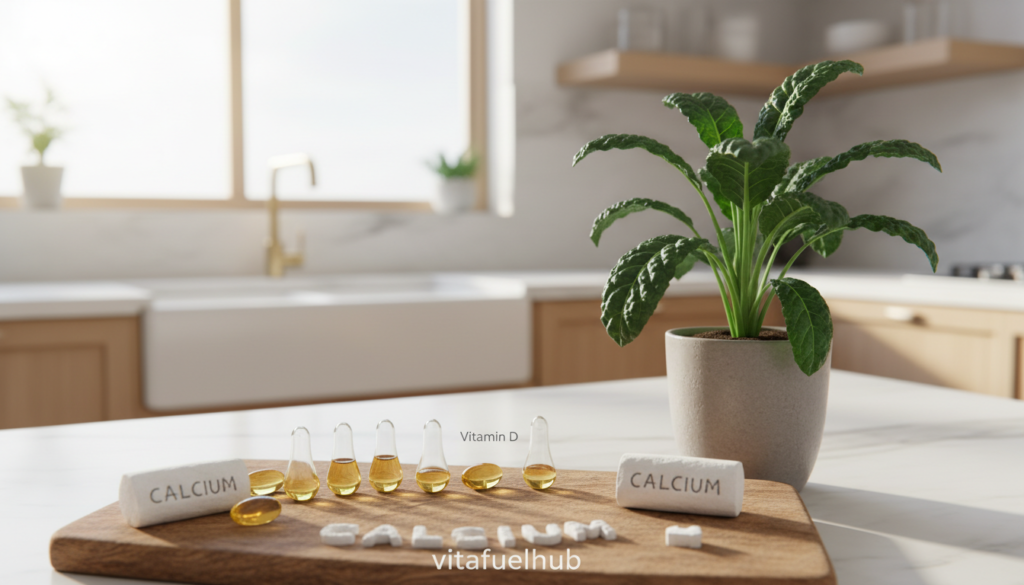
Calcium-rich foods include dairy products, leafy greens, sardines, broccoli, almonds, seaweed, and calcium-fortified tofu. Fatty fish and dairy also help supply vitamin D and calcium together.
- Bone support: Vitamin D and calcium keep bones strong and let tissue heal after sports injury.
- Diet or supplementation: You must get enough of these nutrients through diet or targeted supplements to support structural integrity.
- Mineral partners: Magnesium and minerals in whole grains work with calcium to promote firm bone and steady muscle signaling.
- Tissue needs: Amino acids and essential nutrients are necessary for overall health when a fracture or surgery demands repair.
“Good vitamin D status has been linked to faster strength recovery after procedures like ACL surgery.”
| Nutrient | Common sources | Role in healing |
|---|---|---|
| Vitamin D | Fatty fish, fortified dairy | Improves calcium absorption and supports strength return |
| Calcium | Dairy, leafy greens, sardines, fortified tofu | Builds bone matrix and aids muscle contraction |
| Magnesium | Whole grains, nuts, seeds | Works with calcium to maintain bone firmness and muscle function |
The Science Behind Creatine Supplementation
Creatine plays a central role in short bursts of energy and can change how muscles respond after heavy exercise.
Impact on Muscle Mass Retention
What it does: Creatine is found naturally in meat, poultry, and fish. It helps the body produce quick energy during heavy lifting and high-intensity exercise.
Studies show creatine supplementation can limit muscle loss during periods of reduced activity. One trial reported less upper-body muscle loss after a week of immobilization when participants used creatine.
The mechanism is simple. Creatine helps restore ATP, which keeps muscle protein balance closer to normal. That effect supports muscle protein synthesis and reduces declines in strength and mass.
- Performance and healing: Creatine improves short-term energy supply and may speed return to exercise after soreness or downtime.
- Dietary partners: Many athletes include fatty fish and other protein sources to boost amino acids and natural creatine intake.
- Safety: Side effects are rare, but monitor your body’s response when adding any new supplement to your routine.
| Topic | Typical evidence | Practical effect |
|---|---|---|
| Muscle mass retention | Randomized trials during immobilization | Reduced lean mass loss |
| Energy production | Physiological studies on ATP resynthesis | Improved high‑intensity output |
| Performance | Multiple studies, trained and untrained | Faster strength return and better training capacity |
Natural Strategies for Maximizing Muscle Recovery
Small shifts in sleep, movement, and food make a big difference in how sore your muscles feel.
Prioritize sleep: Aim for 7–9 hours nightly. Deep sleep fuels cellular repair and reduces muscle soreness the next day.
Move gently: Active recovery like light stretching, yoga, or low‑intensity cycling boosts circulation. These activities help deliver protein and amino acids to damaged tissue.
Hydrate and feed your body. Consistent fluids flush metabolic waste. A balanced diet with protein, whole grains, and dairy supplies nutrients that support rebuilding.
Targeted nutrition such as magnesium and omega-3 fatty choices also help manage inflammation and support normal muscle function when used alongside lifestyle steps.
- Use foam rolling or light stretching to improve blood flow.
- Listen to your body and rest from high-intensity exercise when needed.
- Combine these habits with thoughtful supplementation to boost long-term performance.
| Strategy | Goal | Practical tip |
|---|---|---|
| Sleep | Cell repair | Set a regular bedtime, 7–9 hours |
| Active recovery | Circulation | 10–30 min light cycling or stretching |
| Nutrition & nutrients | Rebuild muscle | Protein at meals; include magnesium and omega-3 fatty choices |
For simple meal ideas that pair protein and whole foods, see this helpful guide: prime meal ideas to support muscles.
Conclusion
Consistent habits matter more than any single quick fix. Pair quality protein, sleep, and gentle movement to give muscles what they need to heal. Small daily choices add up to steady progress.
Use evidence-based supplements alongside whole foods when diet gaps exist. Focus on the 14 foods and aids covered in this guide to supply key nutrients and reduce inflammation.
Listen to your body and check with a clinician when needed. With consistency, you will shorten downtime, protect gains, and return to training stronger and more resilient.