

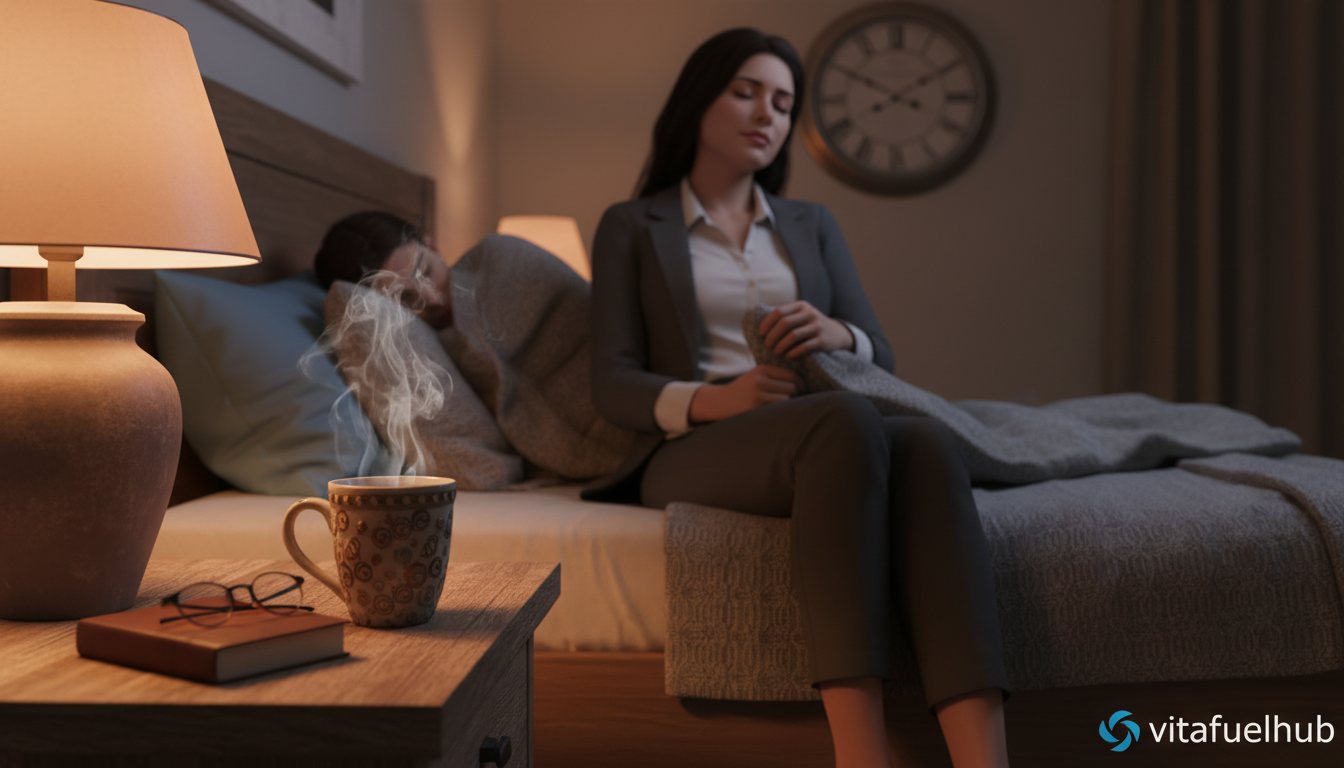

About 88% of people who sip later in the afternoon report at least one sleep problem, according to thousands of Sleep Foundation profiles. That figure shows how timing can change daily energy and long-term recovery.
Many rely on coffee to kickstart the day, but that quick boost can block adenosine, the chemical that makes us feel tired. Dr. Dustin Cotliar reminds us that this perk is temporary and not a substitute for real rest.
Paying attention to the hours before bedtime and keeping a steady schedule are simple moves that improve sleep quality and restore energy each night. This section will explain key ways to manage intake and protect recovery.
Key Takeaways
- Timing matters: Late-day intake often links to disrupted rest.
- Short-term boost, long-term cost: Expect temporary alertness, not better recovery.
- Know the window: Track how many hours before bedtime you consume stimulants.
- Consistent routine: A regular schedule supports restorative nights.
- Small changes help: Adjusting intake can raise daily energy and overall sleep quality.
Understanding the Science of Caffeine and Sleep
Knowing the biological steps behind alertness shows why timing your intake matters for nighttime recovery.
How it works: After you consume a drink like coffee or tea, the stimulant reaches peak levels in the blood within about 30 to 60 minutes. It acts as an adenosine receptor antagonist, which blocks the chemical that promotes tiredness in the brain.
According to the American Academy of Sleep Medicine, this blockage prevents the body from sensing the natural buildup of adenosine through the day. Dr. Rashad Ramkissoon notes adenosine is low on waking and rises steadily as hours pass.
“The amount of stimulant in your system changes how long it keeps you alert, so timing is critical.”
- Short-term benefit: sharper focus and higher energy for many people.
- Trade-off: interference with evening rest and recovery cycles.
- Practical step: track dose and hours after consumption to reduce how long it may keep you awake.
How Caffeine Affects Your Biological Clock
Late-day stimulants can shift your internal clock, pushing bedtimes later without you noticing.
One study found that a single late dose can delay the timing of your body clock and cut total nightly rest. The effect happens because the stimulant blocks adenosine, which signals growing tiredness.
When people drink coffee near evening, that signal can be masked. The brain may not track how many hours you’ve been awake. Over time, this pushes your circadian rhythm later.
That shift lowers overall sleep quality and can make it harder to feel refreshed. If you want steady energy across the day, know how long the stimulant will keep you awake and plan your last serving accordingly.
- Key point: Late intake can misalign clock and actual bedtime.
- Tip: Track timing to protect nightly recovery.
“Stimulants can alter the timing of the natural sleep-wake cycle.”
| Factor | Effect on Clock | Practical Advice |
|---|---|---|
| Late intake | Delays sleep onset | Avoid after late afternoon |
| Blocking adenosine | Masks tiredness | Space out last drink by several hours |
| Chronic evening use | Shifts circadian rhythm | Set consistent bedtime |

The Relationship Between Caffeine Intake and Sleep Quality
How you time daytime stimulants changes not just how long you rest, but how well your body recovers.
Deep Sleep Disruption
Consuming caffeine up to six hours before bedtime can cut total rest by about one hour. That loss often comes from reduced slow-wave sleep, the stage that repairs muscles and clears metabolic waste.
The American Academy of Sleep Medicine notes this drop in deep stages can leave people feeling unrefreshed, even after a full night in bed.
The Cycle of Sleep Deprivation
When afternoon intake lowers restorative sleep, daytime fatigue rises. Many then consume more to get through the day, which extends the disruption into the next night.
This repeating loop can slowly shift bedtimes later and reduce overall sleep quality.
Individual Sensitivity Factors
Tolerance varies between people. Age, genetics, and regular consumption change how long stimulants affect the body.
Track your intake and note hours before bedtime to see the effect on your deep rest. Small changes in evening tea or coffee use often restore better nightly recovery.
For a practical guide to improving nightly recovery and timing your last serving, see prioritize high-quality sleep.
Determining Your Ideal Caffeine Cutoff Time
Find a practical cutoff that protects nightly rest while letting you enjoy daytime boosts.
Calculating Your Personal Half-Life
Find the hour you plan to sleep and work backward. The food drug administration (FDA) notes adults can safely have up to 400 milligrams per day, but how long a dose stays in your body varies.
Chemically, the half-life ranges from about 3 to 5 hours. That means half the amount remains after that span. If you consume caffeine at 4 PM and your half-life is four hours, a significant dose will still be active by bedtime.
- Practical rule: Many experts suggest avoiding intake at least 8 hours before bedtime.
- Check the content of your drinks—coffee and some teas differ widely in amount.
- The American Academy Sleep (academy sleep medicine) reminds people that individual sensitivity changes the outcome.
“Calculate your cutoff using your typical dose and known half-life; then adjust by how you feel the next morning.”

Managing Tolerance and Withdrawal Symptoms
Regular use reshapes the body’s response, so the same dose no longer gives the same boost.
When people stop consuming stimulants, they can face headaches, low energy, sleepiness, and mood swings. These symptoms usually start within 24 hours and may last a few days.
To reduce risk, many experts recommend tapering down gradually rather than quitting cold turkey. Lowering the amount over several days helps limit withdrawal and keeps daily function steady.
“Taper slowly to avoid intense headaches and mood drops.”
- Tolerance: Regular consumption can require higher doses for the same effect.
- Risks: High amounts may raise heart rate and cause tremors; pure powder is especially hazardous.
- Practical step: Replace late energy drinks with water or short naps to break the cycle.
| Issue | Effect | Simple Fix |
|---|---|---|
| Tolerance | Reduced alertness from same dose | Take regular low-use days |
| Withdrawal | Headaches, fatigue, low mood | Taper intake over several days |
| High-dose risk | Rapid heartbeat, tremors, overdose risk | Limit dose; avoid pure powder |
Natural Alternatives for Sustained Daily Energy
Small habits can replace late boosts and protect nighttime rest. Use morning light exposure to cue your body that it is time to wake. Natural daylight helps the internal clock align with the day and improves alertness early on.
Move more, especially in the morning or early afternoon. Short walks or brief workouts raise heart rate, sharpen focus, and often reduce the urge for extra coffee or energy drinks. Exercise also supports deeper rest at bedtime.
Follow practical steps that reduce reliance on stimulants:
- Step outside for 10–20 minutes after waking to get natural light.
- Swap an afternoon coffee or tea for a brisk 10-minute walk.
- Try a 15–20 minute power nap when energy dips; keep it short so it does not affect bedtime.
The Food and Drug Administration emphasizes that nothing replaces high-quality rest for daily performance.
Conclusion
Small shifts in daily habit can lead to noticeably better nights and brighter mornings.
Balance your caffeine use by setting a personal cutoff and tracking how you feel the next day. Understand how timing affects recovery so you choose doses with purpose.
Prioritize natural energy through morning light exposure, brief movement, and consistent bedtimes. These steps reduce reliance on stimulants while boosting daytime focus.
If problems persist, consult a healthcare provider. A clinician can review medical factors that affect sleep and suggest tailored changes for long-term health.