



One in three adults in the United States report regular sleep deprivation, a stark fact that shows how large the problem is. This gap matters: most adults need at least seven hours in each 24-hour period for good health.
Many people struggle at night with racing thoughts and a restless body. Small changes in daily activity, the bedroom environment, and stress habits can quiet the busy brain and improve sleep quality.
In this short guide, you will find practical tips like breathing and meditation exercises that may help. We also cover limiting caffeine, managing noise and light, and keeping a steady clock so your circadian rhythm works for you.
Key Takeaways
- Sleep deprivation affects about one in three people in the U.S.
- Consistent routines and daylight activity set the body up for rest.
- Breathing and relaxation techniques can calm the mind in minutes.
- Limit caffeine and control light and noise to improve sleep quality.
- Small, repeatable habits each night may help with insomnia and better rest.
Understanding Your Sleep Latency
The minutes it takes from turning off the light to nodding off say a lot about sleep health.
Sleep latency is the period between lying in bed and actually entering sleep. A typical, healthy range for most adults is about 15–20 minutes.
Falling asleep in under ten minutes can mean you are sleep deprived. If you often feel like you are tired during the day, this quick drop may be a warning sign.
“Tracking the time it takes to drift off helps you spot patterns and protect overall sleep quality.”
- Monitor nightly latency for several weeks.
- Note daytime tiredness and total hours slept.
- Seek changes if latency is frequently over 30 minutes or under 10 minutes.
| Latency Range | What it Often Means | Recommended Action |
|---|---|---|
| Less than 10 minutes | Likely sleep deprivation | Increase nightly rest; adjust daytime habits |
| 15–20 minutes | Healthy latency | Maintain routine and good sleep hygiene |
| Greater than 30 minutes | Possible poor sleep quality or stress | Try relaxation methods and evaluate environment |
How to Fall Asleep Faster Using Physical Relaxation
Simple physical routines can quiet muscle tightness and speed the transition into rest.
The Military Method is a rapid relaxation routine popularized by Bud Winter in his 1981 book Relax and Win: Championship Performance. It blends deep breathing with focused release of facial, shoulder, and leg tension. Practiced in bed, it may help people reach a calm state and fall asleep faster in about 120 seconds.
The Military Method
Lie still and breathe slowly. Relax your face, jaw, and tongue, then drop your shoulders. Let your arms and legs go heavy. Keep breathing steady and imagine a peaceful image.
Progressive Muscle Relaxation
Progressive muscle relaxation asks you to tense a muscle group for a few seconds, then release it. Move from feet up through the body. This reduces physical stress and can ease insomnia.
- Practice these routines a few minutes each night and during the day to train your body.
- Combine brief meditation with the exercises if your brain races at night.
- Focus on breathing while in bed so the body is ready for sleep.
Breathing Techniques for a Calmer Mind
Breathing rhythms can change the tone of your mind and body within minutes.
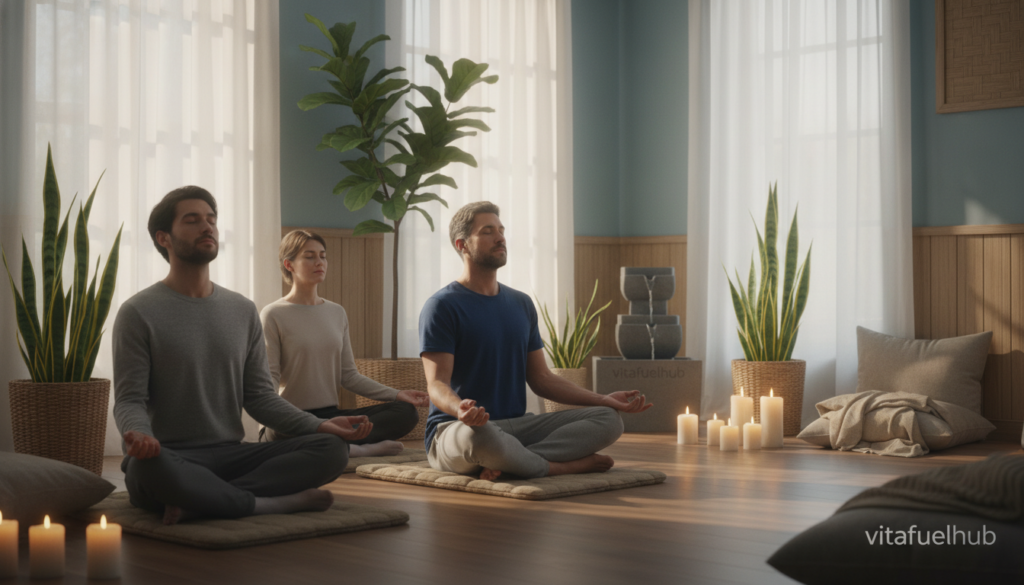
The Four-Seven-Eight method was developed by Dr. Andrew Weil and draws on yogic pranayama. It gives the nervous system a clear cue to relax and may help fall asleep at night.
- Inhale quietly for 4 seconds.
- Hold that breath for 7 seconds.
- Exhale fully for 8 seconds.
Focus on counts and the rhythm. This directs attention away from racing thoughts and lowers stress. Over several cycles your heart rate may slow and your body will feel heavier in bed.
Combine this breathing with light muscle relaxation or brief meditation. Consistent practice can improve overall health and build a stronger habit that helps fall asleep more reliably.
| Feature | Four-Seven-Eight | Benefit |
|---|---|---|
| Developer | Dr. Andrew Weil | Based on pranayama; trusted origin |
| Pattern | Inhale 4 • Hold 7 • Exhale 8 | Calms nervous system; reduces stress |
| Use | Before bed or during wakeful time | Improves relaxation and sleep readiness |
“Focus on breath and count each cycle until your mind eases.”
Creating the Ideal Bedroom Environment
Small changes in light, sound, and temperature can turn a room into a true sleep sanctuary. Keep the bedroom cool — most adults sleep best between 60 and 68 degrees Fahrenheit. A lower temperature helps your body enter deeper, restorative rest.
Make your bed a clutter-free zone. Remove work items, bright screens, and extra mess so the space signals relaxation. A tidy room supports better sleeping habits and long-term physical and mental health.
Block light with blackout curtains or a sleep mask to improve sleep quality at night. If noise is an issue, try earplugs or a white noise machine. These steps reduce interruptions that increase time spent awake.
- Invest in a comfortable mattress and breathable bedding; this helps the body regulate heat.
- Keep electronics out of the bedroom or in airplane mode to limit blue light and alerts.
- Use soft, dim lighting in the hour before bed to cue your internal clock toward rest.
“A calm, dark, and cool room gives your brain one clear message: it’s time for sleep.”
For more practical quick sleep tips, see quick sleep tips. Small, consistent changes in your bedroom environment can boost sleep quality and overall well-being.
Cognitive Refocusing and Mental Distraction
When night brings a flood of thoughts, switching attention can help your brain settle. Cognitive refocusing gives the mind a new target so stress has less control over the path to rest.
Visualization Exercises
Imagery can occupy the brain with calm scenes and reduce intrusive thinking. Picture a slow waterfall, a plain with soft wind, or a steady candle flame.
A 2002 study from the University of Oxford found that imagery distraction helped people fall asleep faster than general distraction. Short guided images often lower heart rate and ease the body into a restful state in a few minutes.
Using a Journal to Clear Your Mind
Writing a quick to-do list or jotting worries on paper can offload mental clutter. Spend five minutes before bed listing tasks and concerns so your brain feels less burdened.
Combine journaling with progressive muscle relaxation or brief meditation. These techniques may help reduce symptoms of insomnia and let you reach the bed with a quieter mind.
“A brief shift in focus at night can give your brain permission to rest.”
The Role of Daily Habits in Sleep Quality
Consistent habits across the day can make nights calmer and more restful.
Set regular sleep and wake times. A steady schedule trains your internal clock and improves sleep quality. Keep similar times on most days so your circadian rhythm and body learn a clear clock signal.

Limit caffeine at least eight hours before bed. Caffeine can linger and reduce your ability to fall asleep. Also avoid big meals and excess water late at night to cut interruptions.
“Small daytime choices create a stronger night routine and better long-term health.”
- Move your body each day — regular activity helps the sleeping process.
- Practice brief breathing and relaxation when stressed; this calms the mind.
- Keep consistent times for light exposure and meals to support your clock.
Consistency matters. Daily rituals build sleep-friendly cues. Over weeks, these habits raise overall sleep quality and help you reach healthier hours of rest.
When to Get Out of Bed
If you lie awake and the minutes keep ticking, your bed might be sending the wrong signal to your brain. After about 20 minutes of lying awake, it is better to get up and change the scene.
Move to a different room and do a quiet activity in dim light. Reading a book or sitting quietly can help the body and mind reset so you feel like returning to bed ready for sleep.
Avoid screens and bright lights. These can confuse your internal clock and harm sleep health. Staying frustrated in bed often trains your brain to link the bed with wakefulness rather than rest.
- If you have been in bed more than 20 minutes and cannot fall asleep, leave the room.
- Choose a calm activity; keep lights low and relaxed.
- This stimulus control method helps you fall asleep fast by reinforcing the bed–sleep connection.
- By stepping away when awake, you protect sleep quality and reduce night anxiety.
“Leaving bed when awake helps your brain learn that bed equals rest.”
Addressing Underlying Sleep Disruptors
Persistent sleepless nights often point beyond habits and into treatable health issues.
If you consistently cannot fall asleep at night, an underlying condition like sleep apnea or chronic insomnia may be the cause. Sleep apnea interrupts breathing and can leave your body and mind exhausted during the day.
Consulting a Healthcare Professional
Seeing a doctor is a vital step when changes in routine and environment do not improve sleep quality. A clinician can screen for disorders, evaluate stress and anxiety, and suggest tests or treatments that may help.
Common disruptors include excess screen time, lingering caffeine, an irregular clock, noise, light, and physical discomfort. These factors damage circadian rhythm and overall health when they persist.
“A brief medical review can reveal treatable causes and give you a clear path toward better sleeping hours.”
If symptoms continue, ask your provider about personalized tips, behavioral therapies, or sleep studies. For a short, practical guide that may help jumpstart change, see cease struggling.
Conclusion
Simple rituals can turn restless evenings into predictable, restorative nights. Build consistent daytime habits and shape a calm bedroom so your body learns the cue for sleep.
Use methods like the Military Method and the Four‑Seven‑Eight breath to help fall asleep with less struggle. Practice them nightly and be patient; small gains add up.
Remember that fall asleep faster is a journey, and pushing too hard can backfire. If trouble persists, seek professional advice to protect your long‑term health and sleep quality.
With steady effort and the right tools, you can reach deeper rest and wake feeling refreshed each day in bed and beyond.