



Surprising fact: elite performers often averaged just 6.5–6.8 hours per night, well below the eight-hour ideal that once defined a healthy life.
Traditionally, diet and exercise were seen as the twin pillars of long life. Recent research showed that rest completed that trio, and neglecting it weakened both food choices and training gains.
When your body missed rest, peak performance fell and cravings for high-calorie food rose. Studies linked deprivation to slower recovery and reduced power during morning and evening sessions.
Optimizing all three pillars proved a smarter strategy than relying on energy drinks or supplements after a hard workout. People who treated rest as part of their routine saw better performance, steadier weight, and quicker recovery.
Key Takeaways
- Many elite athletes logged under eight hours, often near 6.5–6.8 per night.
- Poor rest hurt training gains and raised appetite for unhealthy foods.
- Treating rest, diet, and exercise equally boosts recovery and performance.
- Research tied regular rest to lower risk of chronic disease and better sports outcomes.
- Simple routine changes can deliver measurable health and performance effects.
The Vital Role of Sleep in Athletic Performance
What happens between lights-out and morning often decides an athlete’s power and precision. Good rest fuels repair, sharpens thinking, and lowers injury risk.
Physical Recovery
Human growth hormone is released during deep rest, aiding tissue repair and muscle rebuilding. That process helps the body recover after hard training sessions.
Deprivation raises pro-inflammatory cytokines and slows healing. Over time, that imbalance mimics overtraining and reduces athletic performance.
Cognitive Benefits
Memory consolidation happens while you rest, helping athletes learn new skills and make faster game-time decisions. Studies showed players who logged extra hours improved shooting and reaction times.
“Sleep is the foundation of a building,” said Matthew Crawley, emphasizing its role in recovery and power.
- Better decision-making: clearer focus during high-pressure moments.
- Faster reactions: improved starts and turn times in many sports.
- Improved recovery: fewer illnesses and quicker tissue repair.
Understanding the Science of Sleep Deprivation
Even a few lost hours at night can reshape how the body and brain respond during training.
Medical research shows that 24 to 36 hours of wakefulness produces marked mood disruption, confusion, and cognitive decline. Many team-sport studies documented slower sprint times and altered pacing after deprivation.
At least 10% of U.S. adults have obstructive sleep apnea, and that includes lean, elite competitors. This condition worsens overall recovery and raises health risks tied to poor nightly rest.
Deprived athletes often lose power and reaction speed more than raw strength. Runners and volleyball players in controlled studies reached exhaustion faster and showed reduced ventilation during exercise.
| Measure | Short-term deprivation | Team-sport findings |
|---|---|---|
| Mood & cognition | Marked decline after 24–36 hours | Increased confusion and poor decisions |
| Physical output | Lower exercise minute ventilation | Slower sprints; altered pacing |
| Metabolic effects | Impaired glucose sensitivity | Hindered glycogen repletion and recovery |
- Even a 2–4 hour nightly deficit can hurt performance.
- Poor rest raises long-term health risks like high blood pressure and diabetes.
“The negative effects on reaction time and judgment often matter more than small power losses in elite sport.”
Why Athletes Often Struggle with Sleep
Long flights, early drills, and late meetings combine to fragment nightly rest for many competitors. Rigorous routines and constant travel can misalign the body clock and reduce total hours of rest.
Training and Travel Demands
Travel across time zones disrupts circadian rhythm and creates acute sleep deprivation. Teams that fly often see players arrive less rested and with slower reaction times.
Evening practices and late media commitments push many people to use phones after bed. Blue light from screens delays melatonin and makes falling asleep harder.
- Many downplay rest compared to drills and weight work.
- Odd training hours shift the body clock, hurting consistent night routines.
- Stress before competition increases anxiety and blocks quality rest.
- Social media and device use after practice worsen late-night deprivation.
“Consistent recovery beats last-minute fixes,” says research looking at performance and health outcomes.
Expert Sleep Tips for Athletes
Small changes in nightly habits often yield the biggest gains in recovery and on-field performance.

Start with education: studies such as O’Donnell and Driller (2018) showed that sleep hygiene education improved total rest time and reduced wake episodes. Teams that ran six-week programs reported more hours sleep and lower fatigue.
Make routine a priority. Aim for consistent lights-out and wake times. Coaches who treat rest like training help their squad regain power and sharpen reaction.
- Set a target: experts often encourage seven to nine hours nightly; elite players may aim near nine.
- Schedule smart: avoid heavy training too close to bed and plan travel to reduce deprivation.
- Learn the science: attend sleep hygiene sessions that cover physiology and practical steps to boost recovery.
“Treating rest as part of the program delivers measurable gains in performance and long-term health.”
Consult a coach or general practitioner to align training and team travel with optimal rest. Small, consistent changes produce the largest effects over time.
Creating the Ideal Sleep Environment
Your nightly surroundings can make or break the gains from each workout. A carefully set room speeds recovery and sharpens next-day reaction and performance.
Temperature Control
Keep the bedroom cool. Studies show a lower room temperature helps sustain deep stages of rest that the body uses to rebuild muscle and restore energy.
If you wake hot during the night, try lighter bedding or a fan. Small changes in degrees can change the number of restorative hours you get.
Noise Reduction
Quiet matters. Use earplugs or a white-noise device when travel or urban life raises ambient sound. A calm soundscape reduces awakenings and improves overall health.
Reserve the bed for sex and sleep only. That cue trains the brain to fall asleep faster. If you cannot fall asleep after 20 minutes, get up and do a quiet activity in another room until you feel ready.
- Make the room dark with eye masks or blackout curtains to help you fall asleep faster.
- Pillows, masking tools, and consistent room conditions improve how many hours of recovery you achieve.
Managing Blue Light and Electronic Devices
Evening screen use can quietly undo hours of daytime training by shifting your internal clock.
Blue light emissions from phones, tablets, and TVs suppress melatonin. That change delays falling asleep and lowers next-morning alertness.
Avoid electronics in the hour before bed to preserve circadian rhythm and protect recovery. This simple habit reduces deprivation and helps maintain steady reaction and performance the next day.
If travel forces late screen use, try blue light filters or apps that tint displays. Those tools cut the strongest wavelengths and lessen the negative effects on hormones and alertness.
- Set a no-screen rule at least 60 minutes before lights-out.
- Use filters when device use is unavoidable during travel or night shifts.
- Prioritize consistent wake and bed time to reduce circadian disruption.
“Limiting exposure to artificial light is one of the easiest ways to improve sleep and protect training gains.”
The Impact of Caffeine and Alcohol on Recovery
What you drink late in the day can erase hours of hard-earned recovery. Caffeine is a stimulant that can linger for several hours and delay the time it takes to fall asleep. That delay raises the risk of sleep deprivation and reduces the quality of deep, restorative night phases.
Alcohol may help some people fall asleep faster, but it fragments sleep cycles. That fragmentation prevents the body from reaching deep stages critical for tissue repair and hormone release. Over time, poor sleep reduces training gains and overall health.
A study of semi‑professional tennis players found serve accuracy fell after sleep deprivation, and caffeine offered no reliable recovery benefit in that setting. This shows stimulant timing can be ineffective when overall rest is compromised.
- Plan caffeine intake: avoid late-afternoon or evening use to protect nightly recovery.
- Avoid alcohol near bed: it fragments cycles and cuts deep rest needed for repair.
- Travel guidance: skip late drinks while traveling to stay hydrated and keep routines steady.
| Substance | Primary effect on recovery | Practical guidance |
|---|---|---|
| Caffeine | Increases time to fall asleep; raises alertness | Limit to morning/early afternoon; avoid within 6 hours of bedtime |
| Alcohol | Helps onset but fragments deep phases | Avoid in the evening; choose hydration and sleep-friendly options |
| Combination use | Worsens overall deprivation and next-day performance | Eliminate late intake during travel and heavy training blocks |
“If you struggle with poor sleep, removing evening caffeine and alcohol is a simple, high-impact step.”
Developing a Consistent Bedtime Routine
A nightly wind-down that feels the same each evening trains the body to shift from work mode to repair mode.
Start simple. Try 20 minutes of light reading, a warm bath, or brief meditation. These actions lower heart rate and cue the brain that it is time to relax.
Stick to the same bedtime and wake time even on days off. Regular hours help the circadian clock and improve recovery and long-term health.
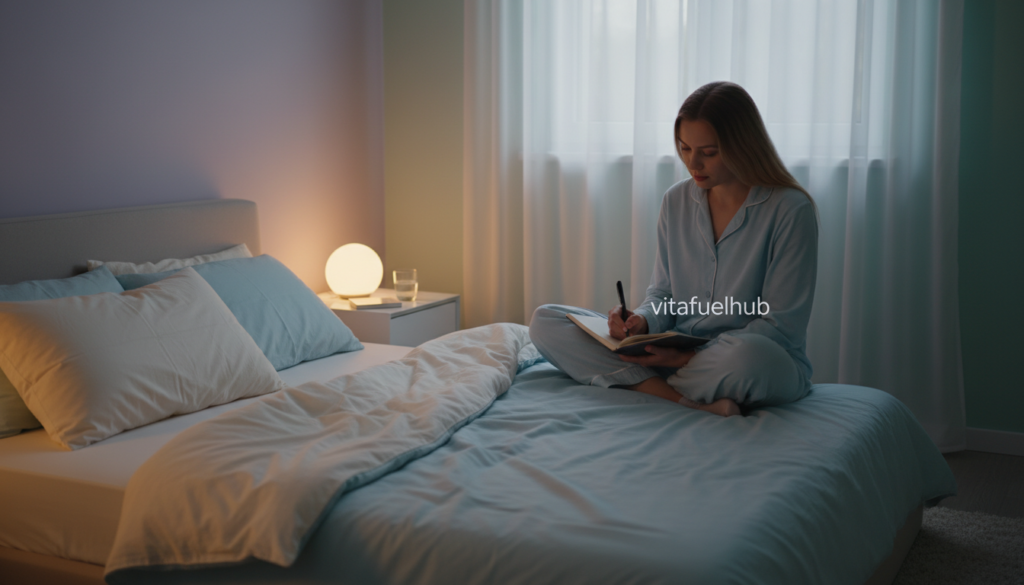
Research shows players who keep a steady routine enjoy better performance than those with erratic schedules. Consistency reduces the effects of deprivation and makes it easier to fall asleep when the lights go out.
If you cannot sleep after 20 minutes, get out of bed and do a calm activity until you feel tired. That strategy prevents the bed from becoming a place of frustration and trains faster return to rest.
- Keep rituals short. Five to twenty minutes of low-intensity habits often works best.
- Limit screens. Remove devices at least an hour before bedtime to protect hormone timing and alertness.
- Be consistent. Same bed and wake time each day helps optimize recovery and on-field performance.
“Treat your nightly routine like any other training drill: repeat it, measure the results, and adjust.”
Strategic Napping for Better Results
A short, well-timed nap can restore alertness and sharpen decision-making during a heavy day. Used correctly, a midday rest acts as a recovery tool that supports training and academic demands.
Timing Your Naps
Keep naps under one hour. Staying shorter prevents deep stages that cause grogginess. A 30-minute nap often brings performance back to baseline after a rough night of sleep deprivation.
Avoid naps after 3 p.m. Late naps shift your body clock and can make falling asleep at night harder. If you are a college athlete with morning sessions, a short nap before mid-afternoon helps recovery without disrupting the night.
- Use naps as a supplement, not a replacement for nightly rest.
- Plan a 20–30 minute window when you need a quick boost in alertness and cognition.
- When anticipating inadequate night rest, schedule a brief nap to protect daytime performance and overall health.
“A planned power nap can be a simple, high-impact strategy to maintain focus and vigor during busy days.”
Handling Jet Lag and Travel Challenges
Crossing multiple time zones can scramble the body clock and steal critical recovery hours. That misalignment often explains why West Coast teams outperform East Coast visitors in evening matchups.
Plan ahead. Shift your bed and wake times toward the destination schedule several nights before departure. Matching meal times to the new zone also helps your internal clock adapt faster.
On the flight, set your watch to local time the moment you board. This simple trick gives your mind a cue to begin adjusting and reduces the effects of jet lag after arrival.
Prioritize rest before travel. Arrive without a large sleep debt to protect next-day performance and overall health. During transit, stay hydrated, avoid late caffeine, and use earplugs and an eye mask to get useful rest.
| Strategy | Why it helps | When to use |
|---|---|---|
| Pre-shift sleep schedule | Moves circadian timing closer to destination | 3–5 nights before departure |
| Meal timing by destination | Signals day-night cues to the body | Begin 1–2 days before travel |
| In-flight adjustments | Supports rest and reduces deprivation | During long-haul flights |
| Hydration & light control | Limits fatigue and speeds adaptation | Travel day and first nights at destination |
“Give yourself time to adjust — jet lag affects everyone differently.”
When to Seek Professional Medical Advice
When recurring nightly problems begin to affect training, it’s time to consult a professional. Many athletes notice worse focus, slower reaction, or persistent tiredness despite good habits.
Certain symptoms — trouble falling or staying asleep, loud snoring, gasping overnight, or very early wakings — may signal a treatable disorder. Insomnia often responds well to targeted therapies. Suspected sleep apnea needs medical testing because it brings serious health consequences and lowers recovery quality.
Be proactive. Seeing a specialist can clarify causes and reduce the negative effects on training. A clinician can offer personalized plans to restore rest and support long-term health.
- If you struggle to get healthy sleep despite good hygiene, see a doctor.
- Chronic trouble falling or staying asleep could mean an underlying disorder.
- Persistent fatigue in athletes deserves evaluation to protect performance.
- Consulting a sleep specialist brings tailored strategies and testing when needed.
Taking the step to seek medical advice shows commitment to recovery and peak performance.
Monitoring Your Sleep Quality
Consistent tracking turns vague fatigue into clear, actionable data.
Use a mix of diary notes and wearables to record nightly duration and stages. Pre‑post education programs have shown those records raise total rest time and lower wake episodes.
Ongoing feedback helps teams spot trends. Tracking exposes how late workouts or caffeine lead to sleep deprivation and reduced readiness.
Data lets you act. Coaches and players can adjust training load when monitoring shows persistent short nights. That approach reduces the negative effects of chronic deprivation.
- Identify patterns: link habits to recovery scores.
- Make changes: adjust practice times or evening intake based on results.
- Stay proactive: use data to prevent long-term performance loss.
| Tool | What it measures | Practical benefit |
|---|---|---|
| Wearable tracker | Stages, total rest, awakenings | Objective data to guide training load |
| Sleep diary | Bedtime, habits, perceived rest | Context for device data and habit change |
| Coach feedback | Weekly summary of readiness | Timely adjustments to protect recovery |
“Tracking lets you make data-driven choices to improve recovery and performance.”
To learn how rest can boost efficiency, read a concise guide on how rest fuels efficiency.
Conclusion
Consistent recovery protects gains and reduces the harm caused by chronic deprivation. Prioritizing rest will sharpen reaction, lift strength, and boost athletic performance when it matters most.
Understand the negative effects of lost nightly rest and act early. Small, daily habits cut fatigue and preserve focus during intense training days.
Make steady routines nonnegotiable: plan wake and bed times, monitor results, and adjust training to match recovery. The cumulative effects of quality rest lead to real, lasting improvements in athletic performance and long-term health.
Start today with one change — it compounds into bigger wins tomorrow.